Shinjuku is one of Tokyo's most logistically powerful districts for families - direct train and metro connections reach Asakusa, Harajuku, Odaiba, and Disneyland without requiring transfers at confusing hubs. The area splits clearly between the west side (Nishi-Shinjuku), dominated by skyscraper hotels with more space and quieter streets, and the east side near Kabukicho, which stays loud well past midnight. Families with children benefit most from the west side, where hotel room sizes tend to be larger, grocery stores like Summit and Life supermarket are within walking distance, and the pace drops noticeably after dinner.
What It's Like Staying in Shinjuku for Families
Staying in Shinjuku with a family means trading charm for pure operational efficiency. Shinjuku Station is the busiest rail hub in the world, connecting JR lines, Tokyo Metro, Toei Subway, and private railways - which means almost every major attraction in Tokyo is reachable within around 30 minutes. Morning rush hour between 8:00 and 9:30 AM on the JR Yamanote Line is genuinely overwhelming with strollers or young children, so planning departures before or after that window makes a measurable difference. The west side around Nishi-Shinjuku keeps street-level noise manageable after 10 PM, while the Kabukicho district on the east side stays active through the night and is not well-suited for families with young children.
Pros:
- Unmatched rail connectivity reduces travel time to family attractions like Shinjuku Gyoen, teamLab, and Odaiba
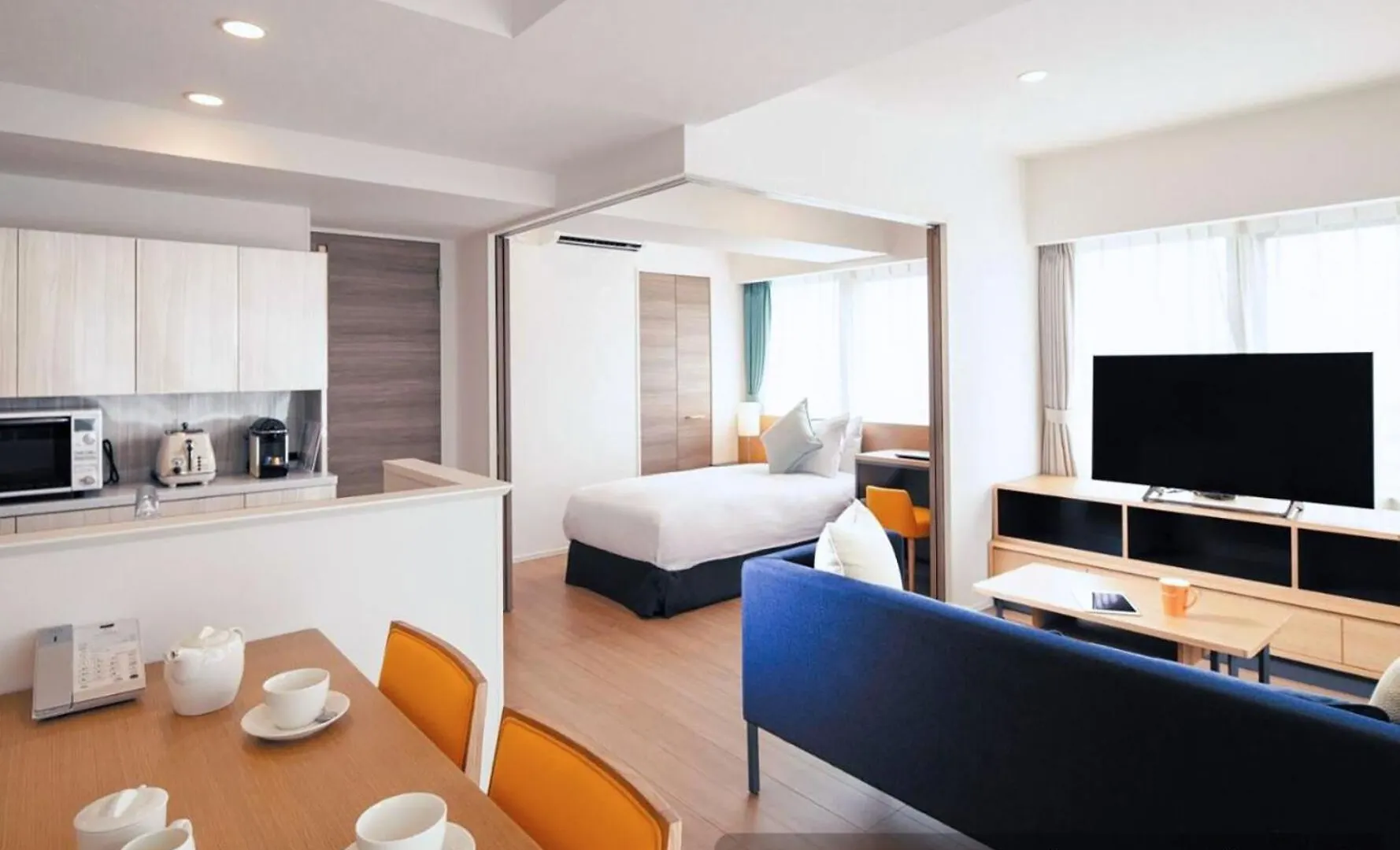
- Nishi-Shinjuku hotels offer larger room configurations and apartment-style stays uncommon in central Tokyo districts
- Convenience stores, supermarkets, and family restaurants are available within a short walk of most hotels
Cons:
- Shinjuku Station's layout is genuinely disorienting - navigating with luggage and children takes time until you learn the exits
- East Shinjuku after dark is unsuitable for families with children due to entertainment district activity
- Room rates spike sharply during Golden Week and cherry blossom season, often by around 40%
Why Choose Family-Friendly Hotels in Shinjuku
Family-friendly hotels in Shinjuku distinguish themselves from standard Tokyo accommodation through room size, kitchen access, and on-site amenities that reduce daily logistical pressure. Apartment-style properties in Nishi-Shinjuku offer kitchenettes and dishwashers, which cuts dining costs significantly compared to eating out three times a day in Tokyo. Upper-tier options include spa facilities, indoor pools, and multiple restaurants on-site - removing the need to navigate unfamiliar streets after a long day with tired children. Compared to family hotels in Shibuya or Ginza, Shinjuku properties on the west side deliver more square footage per yen spent, though entry-level rooms in budget properties here still average under 25 square meters, which can feel tight for a family of four.
Pros:
- Apartment-style options with kitchenettes and laundry facilities reduce daily costs for families staying multiple nights
- Premium hotels in Nishi-Shinjuku include pools, fitness centres, and multi-restaurant options without leaving the building
- Family rooms and interconnecting room options are more available here than in boutique-heavy districts like Shimokitazawa
Cons:
- Standard rooms in even 4-star Shinjuku properties can be undersized for families expecting Western room dimensions
- Hotel shuttle services are limited to specific stations and don't cover the full Shinjuku area
- Properties closer to Shinjuku Station east exit charge a premium that isn't always justified by extra family-specific amenities
Practical Booking & Area Strategy for Families
For families, the most strategic positioning in Shinjuku is along the Nishi-Shinjuku corridor - specifically hotels within walking distance of Tochomae Station on the Toei Oedo Line or Shinjuku Station's west exit on the JR lines. Tochomae Station connects directly to Ryogoku (sumo), Tsukishima, and Shiodome without transferring, which simplifies day-trip planning considerably. The Tokyo Metropolitan Government Building, free to visit with observation decks, is within a 10-minute walk of most Nishi-Shinjuku hotels - a no-cost activity that works well for families. Shinjuku Gyoen National Garden, one of Tokyo's best open spaces for children to run freely, is reachable in around 15 minutes on foot from the south side of the station. Book at least 8 weeks ahead for stays during cherry blossom season (late March to early April) and Golden Week (late April to early May), as family room categories sell out faster than standard doubles. Last-minute availability in Shinjuku exists year-round outside peak periods, but room category choice narrows significantly.
Best Value Family Stays in Shinjuku
These properties deliver strong family utility in Nishi-Shinjuku through apartment-style layouts, practical amenities, and direct transport access - without the premium pricing of the area's flagship hotels.
-
1. Oakwood Apartments Nishi-Shinjuku Tokyo
Show on map


 Check-infrom 15:00 until 22:00Check-outfrom 07:00 until 12:00
Just a few rooms left at the best rate!
fromJP¥ 27738
Best Premium Family Hotels in Shinjuku
These three hotels offer the infrastructure, space, and on-site services that make multi-day family stays in Shinjuku operationally self-contained - pools, multiple dining options, shuttle services, and above-average room quality are standard across this tier.
-
2. Hilton Tokyo Hotel
Show on map


 Check-infrom 15:00 until 23:59Check-outuntil 11:00
Just a few rooms left at the best rate!
fromJP¥ 35934
-
3. Keio Plaza Hotel Tokyo Premier Grand
Show on map


 Check-infrom 15:00 until 23:59Check-outuntil 11:00
Hurry – almost gone at this price!
fromJP¥ 41765
-
4. Odakyu Hotel Century Southern Tower
Show on map


 Check-infrom 14:00 until 23:30Check-outuntil 11:00
Rooms filling fast – secure the best rate!
fromJP¥ 44917
Smart Timing & Booking Advice for Shinjuku Family Hotels
Shinjuku operates on a clear seasonal rhythm that directly affects both availability and nightly rates for family room categories. Cherry blossom season (late March through early April) and Golden Week (late April through early May) represent the two hardest booking windows - family rooms and apartment-style units sell out first, often weeks before standard doubles. Summer (July through August) brings school holiday demand from both domestic and international families, pushing occupancy high, but rates are generally more manageable than spring peaks. September through November delivers the most consistent balance of pleasant temperatures, lighter crowds at Shinjuku Gyoen and Meiji Jingu, and better room availability at competitive rates. January and February are the quietest months, with rates dropping noticeably and family rooms readily available last-minute - the trade-off is cold weather, though Tokyo winters are dry and rarely disruptive to sightseeing plans. For stays during peak periods, booking directly through the hotel or a trusted OTA at least 8 weeks in advance is the reliable strategy; for shoulder and low seasons, waiting for late availability can yield meaningful savings on premium properties without sacrificing room quality.