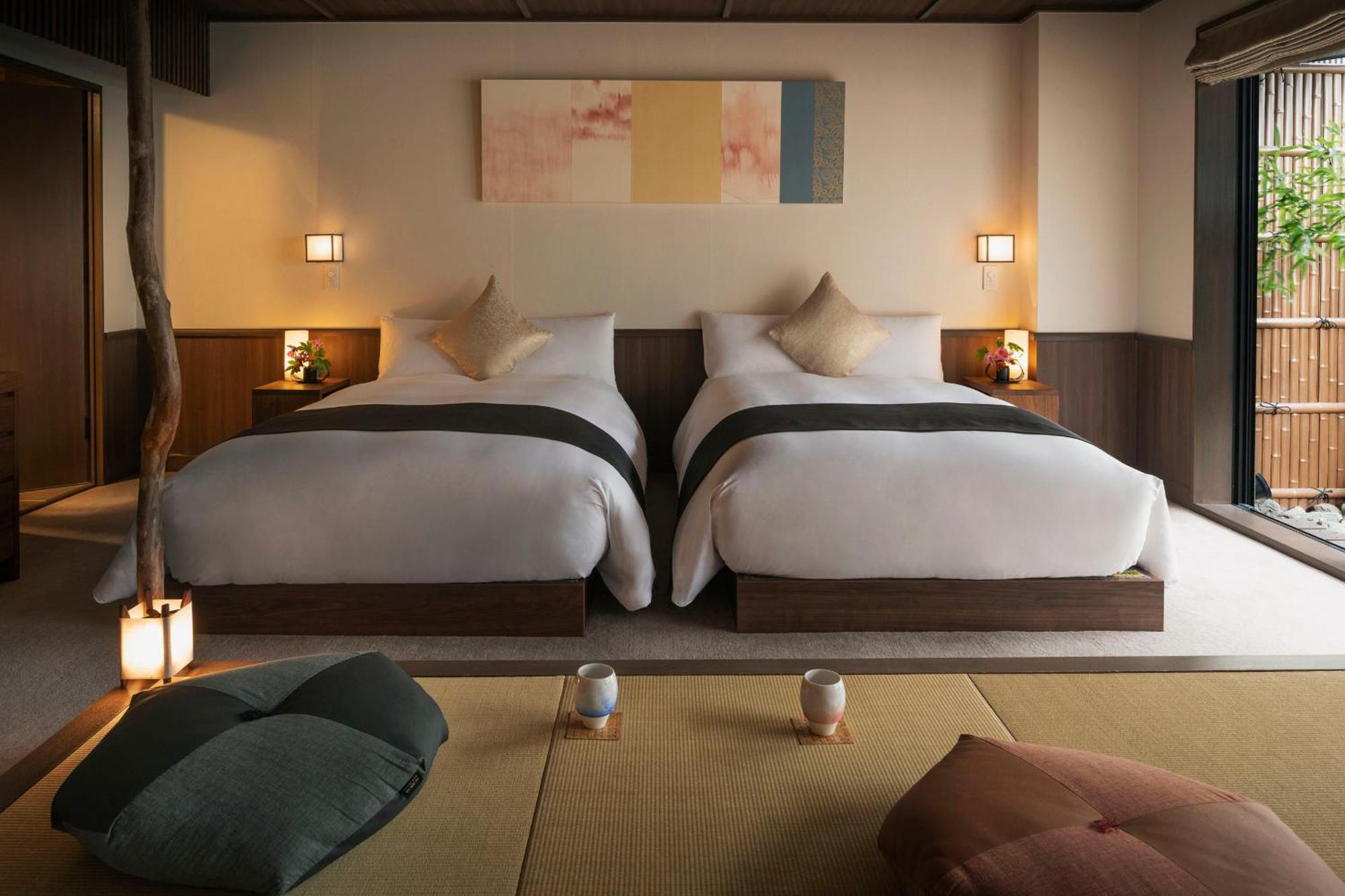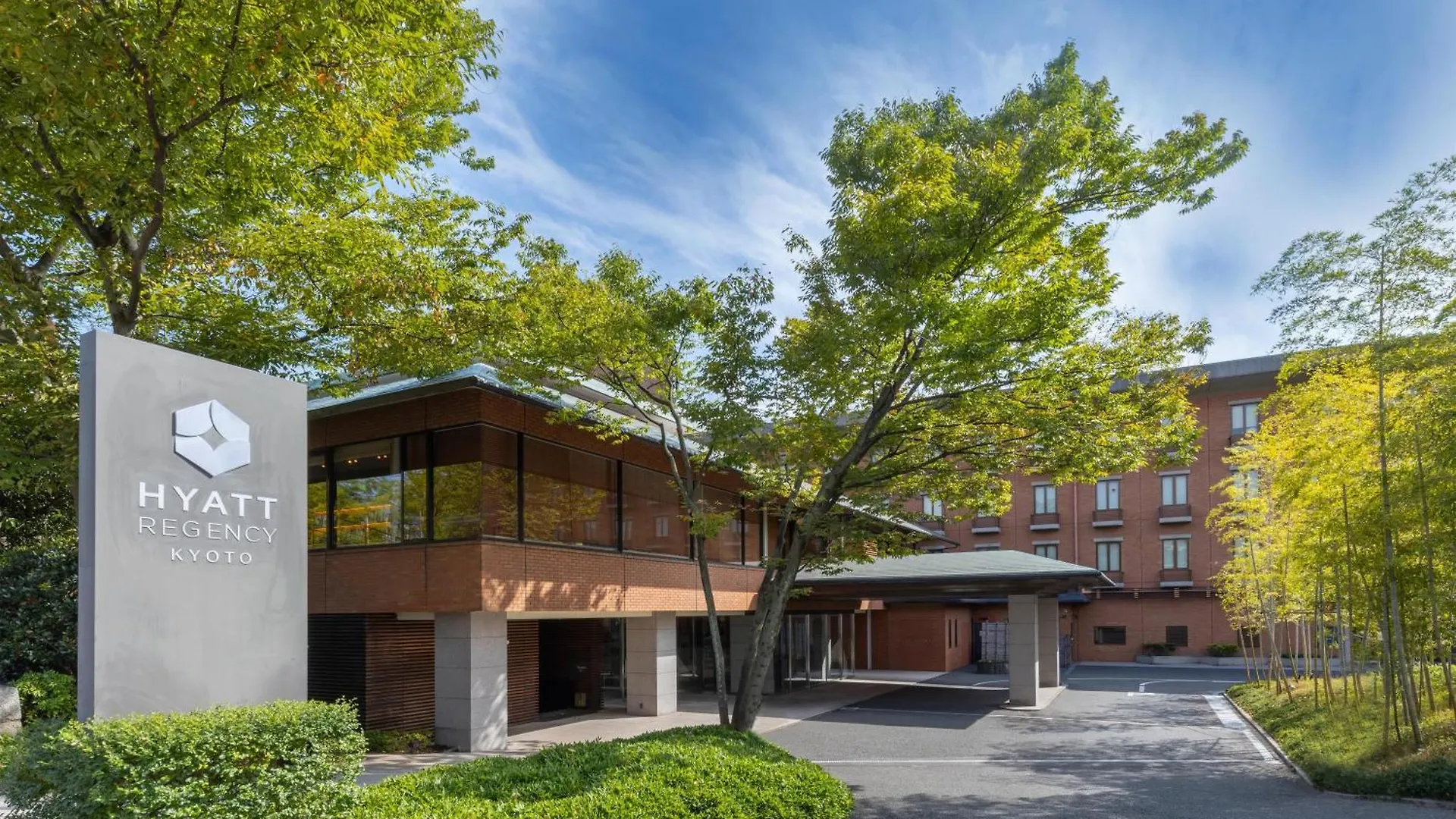
Gion and Higashiyama form Kyoto's most historically dense corridor, where machiya townhouses line stone-paved lanes and lantern-lit streets connect temple after temple. Staying here means waking up steps from Kiyomizu-dera, Yasaka Shrine, and the preserved geisha district before the crowds arrive - a logistical and atmospheric advantage that no other Kyoto neighborhood replicates. This guide covers the four best luxury hotels in Gion and Higashiyama, breaking down exactly what each property delivers so you can book with clarity.
What It's Like Staying In Gion & Higashiyama
Gion and Higashiyama sit on Kyoto's eastern edge, sandwiched between the Higashiyama mountain range and the Kamo River. Most of the district's major temples are within a 20-minute walk from any hotel here, which means your mornings can begin at Kiyomizu-dera before the tour buses arrive. The area is dense with foot traffic between 10am and 5pm, particularly along Ninenzaka and Sannenzaka lanes, but quiets dramatically after 8pm - a pattern that makes evening strolls feel entirely different from daytime navigation.
Transport connectivity is solid but not instant: Gion Shijo Station on the Keihan Line gives access to Osaka in around 40 minutes, while Kyoto Station is a 10-minute taxi or bus ride away. Visitors who prioritize temple access over transit convenience will find this district rewards them directly.
Pros:
- Unmatched proximity to Kyoto's UNESCO-listed Higashiyama temple circuit
- Atmospheric streets that are quieter than central Kyoto hotel zones after dark
- Walkable access to Gion Shijo Station for day trips to Osaka or Fushimi Inari
Cons:
- Daytime tourist congestion on Ninenzaka and Hanamikoji Street can be intense
- Fewer convenience stores and supermarkets compared to central Kyoto neighborhoods
- Taxis can be harder to hail near the narrower lanes of Higashiyama at peak hours
Why Choose Luxury Hotels In Gion & Higashiyama
Luxury hotels in Gion and Higashiyama occupy a distinct market position: they trade large room counts for curated experiences, often incorporating traditional Japanese design elements - onsen baths, kaiseki-adjacent dining, and garden courtyard layouts - that budget and mid-range properties in this district simply cannot replicate. Nightly rates at luxury properties here typically start around ¥60,000, reflecting both the real estate premium of the heritage zone and the service staffing those properties require. Room sizes in converted machiya-style properties tend to be smaller than equivalent international luxury hotels, but the architectural detail compensates significantly for travelers seeking cultural immersion rather than square footage.
The trade-off is noise management: properties on or near Hanamikoji Street absorb pedestrian and occasional festival sound, while those positioned on quieter side streets closer to the Higashiyama slopes offer genuine stillness. Spa and onsen access - common among luxury options here - adds measurable recovery value for travelers covering Kyoto's famously demanding walking itineraries.
Pros:
- Onsen and spa facilities on-site, rare in budget and mid-range Gion accommodations
- Japanese architectural character integrated into room design and property layout
- Concierge teams with deep local knowledge of temple access, reservations, and cultural events
Cons:
- Premium pricing with limited availability during cherry blossom and autumn foliage seasons
- Some luxury properties have compact room configurations due to heritage building constraints
- Street-facing rooms in central Gion can capture daytime crowd noise through traditional-style windows
Practical Booking & Area Strategy
For the best positioning in Higashiyama, properties along or just off Kodaiji-cho and Shimogawara-dori place guests within a direct walking line to both Kiyomizu-dera to the south and Chion-in to the north - covering the full Higashiyama walking course without needing transport. Hotels closer to Shichijo-dori offer slightly easier taxi access toward Kyoto Station and sit adjacent to the Kyoto National Museum and Sanjusangen-do Temple, adding daytime flexibility without sacrificing the district's atmosphere.
Book at least 8 weeks in advance for cherry blossom season (late March to mid-April) and autumn foliage season (mid-November), when luxury inventory in this district sells out entirely and rates climb significantly. Outside these windows, late January through February offers the lowest pricing and genuine crowd relief on the temple trails. A stay of 3 nights is generally sufficient to cover Higashiyama's main circuit, a half-day in Gion proper, and a day trip to Arashiyama or Fushimi Inari via the Keihan Line from Gion Shijo Station.
Best Value Luxury Stays
These properties deliver a strong luxury experience in the Higashiyama corridor with competitive positioning on price relative to the district's ultra-premium tier, without compromising on key amenities like dining, wellness access, or temple proximity.
-
1. Hyatt Regency Kyoto
Show on map


 Check-infrom 15:00 until 23:59Check-outuntil 12:00
Just a few rooms left at the best rate!
fromJP¥ 34358
-
2. Hotel Sui Kyoto Kiyomizu
Show on map


 Check-infrom 15:00 until 23:59Check-outuntil 11:00
Rooms filling fast – secure the best rate!
fromJP¥ 13554
Best Premium Luxury Stays
These two properties sit at the top of the Gion and Higashiyama luxury market, each offering distinct flagship-level amenities - from hot spring baths and full spa suites to Japanese garden pond dining - that set them apart from every other hotel in the district.
-
3. Banyan Tree Higashiyama Kyoto
Show on map


 Check-infrom 15:00 until 23:59Check-outuntil 12:00
Just a few rooms left at the best rate!
fromJP¥ 147991
-
4. Four Seasons Hotel Kyoto
Show on map


 Check-infrom 15:00 until 23:59Check-outuntil 12:00
Hurry – almost gone at this price!
fromJP¥ 9929
Smart Travel & Timing Advice for Gion & Higashiyama
Kyoto's two peak seasons - cherry blossom (late March to mid-April) and autumn foliage (mid to late November) - drive luxury hotel occupancy in Gion and Higashiyama to near-100%, with rates climbing around 50% above the annual average. During these windows, Ninenzaka and the Higashiyama walking path become heavily congested by 9am, so guests staying within the district benefit from accessing the temple lanes before 8am - an advantage that hotels farther from the area simply cannot offer. February is the quietest and most affordable month in this district, with significantly reduced crowds at Kiyomizu-dera and Yasaka Shrine and no meaningful reduction in the neighborhood's atmospheric quality.
For luxury properties specifically, booking directly through hotel websites or loyalty programs can unlock room upgrade priority during shoulder periods (May and October), when availability is more flexible. A 3-night minimum is the practical sweet spot for this district: enough time to cover the full Higashiyama circuit, explore Gion's Hanamikoji Street after dark, and make one or two day trips via Gion Shijo Station without feeling rushed.