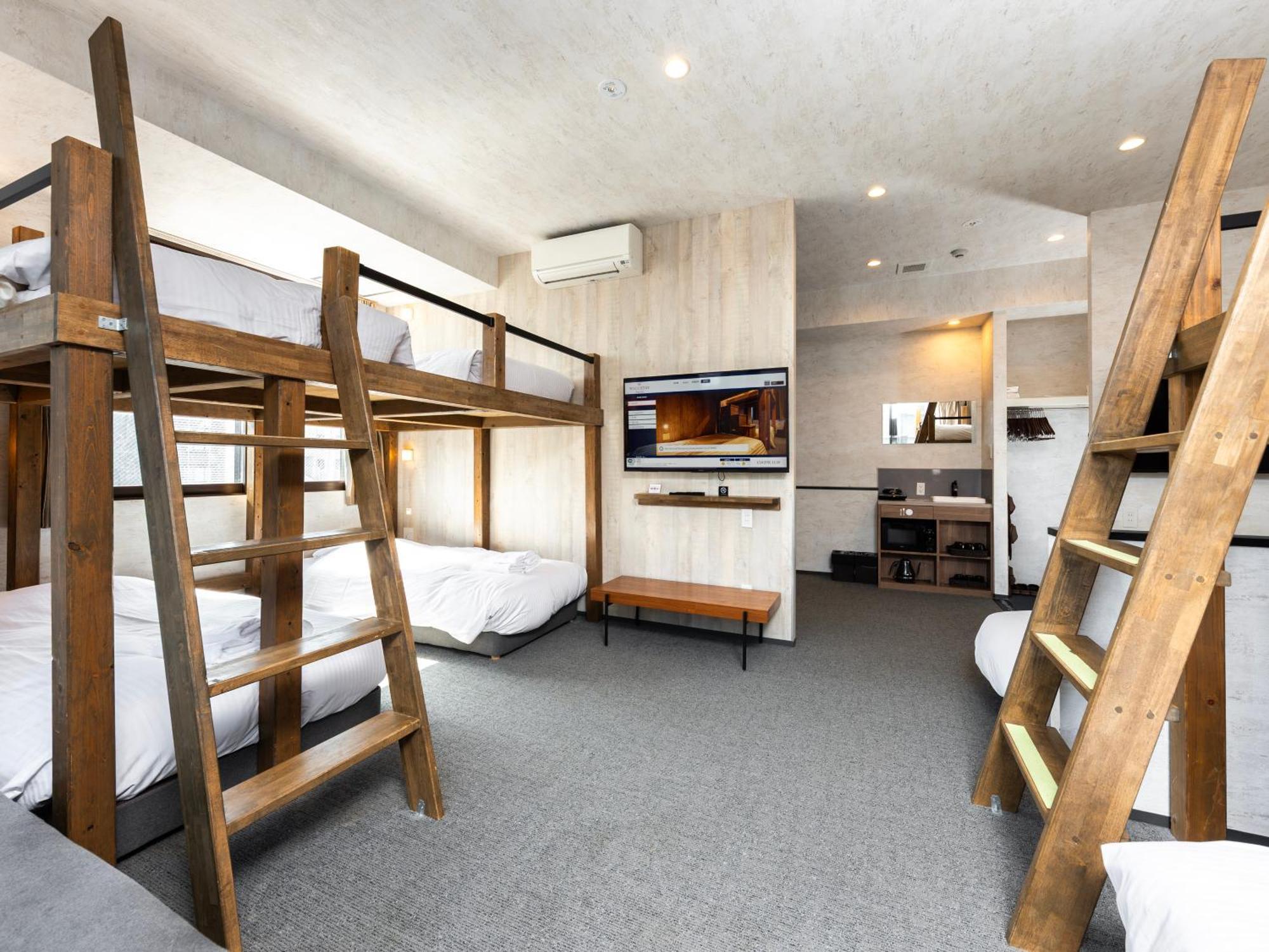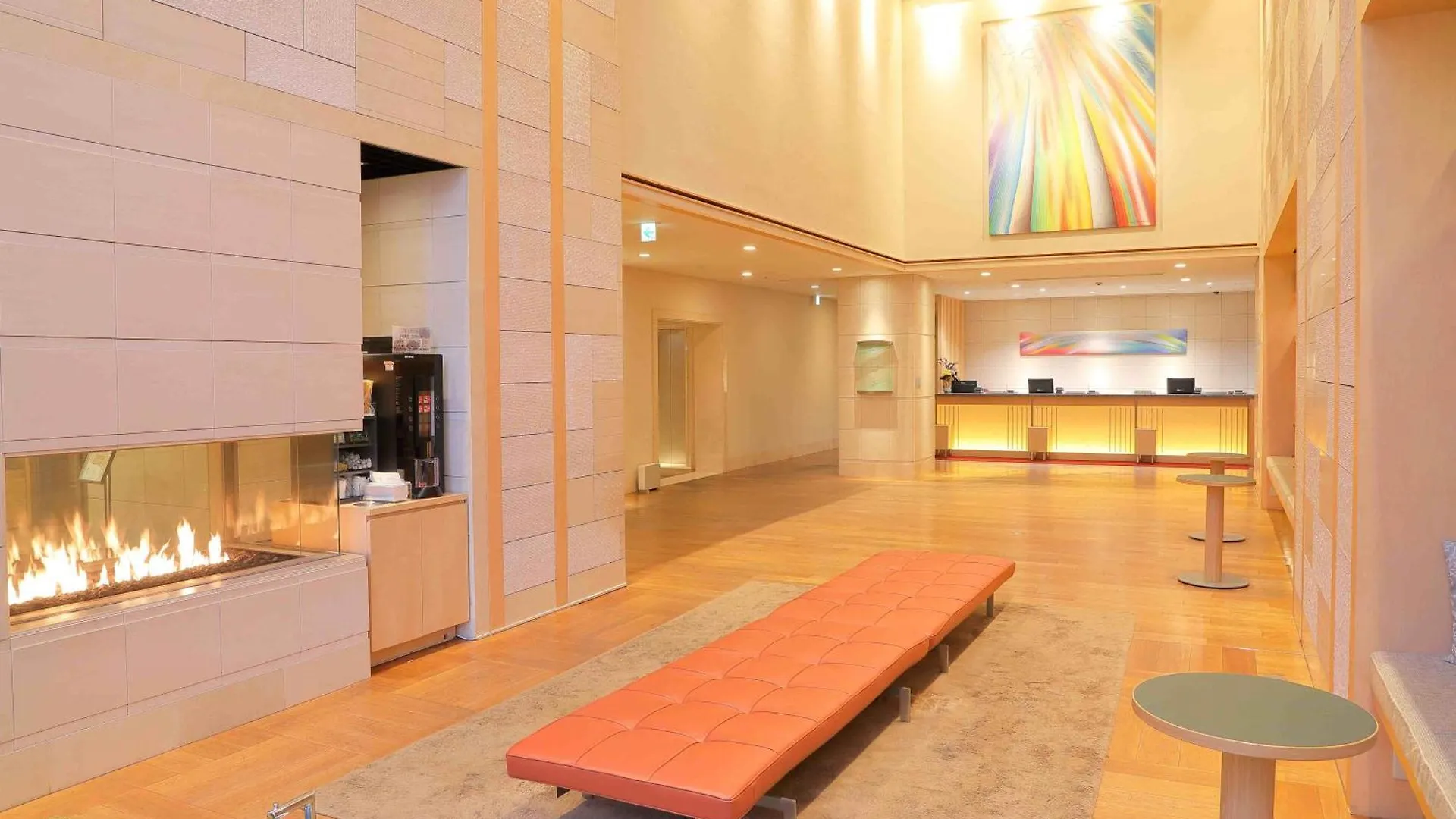
Sapporo City Centre packs its most walkable, transit-connected blocks between Odori Park and Susukino, giving budget travellers direct access to the city's main dining, nightlife, and sightseeing corridors without paying central Tokyo prices. These four cheap hotels sit within the subway grid, keeping transport costs low and morning logistics simple.
What It's Like Staying In Sapporo City Centre
Sapporo City Centre operates on a grid layout, which makes orientation fast even on your first night. The area between Odori and Susukino stations covers the city's commercial and entertainment core, and most attractions sit within a 15-minute walk of each other. Susukino is Hokkaido's busiest nightlife district, which means street noise runs late, but daytime crowds thin out noticeably once the lunch rush passes. Travellers who want subway access without navigating a confusing transit map will find the Namboku and Tozai lines highly legible from this zone. Those who prioritise silence or open space may find the density of izakayas and convenience stores more disruptive than practical.
Around 80% of Sapporo's central attractions - including the Clock Tower, Odori Park, and the Tanukikoji shopping arcade - are reachable on foot from this district, which cuts down on daily transport spend significantly.
Pros:
Walking access to Odori Park, Susukino, and Tanukikoji arcade without needing transit
Namboku Line stops at both Odori and Susukino stations, connecting to Sapporo Station in under 5 minutes
Dense concentration of convenience stores, ramen shops, and izakayas within 2 blocks in any direction
Cons:
Susukino streets stay loud past midnight, especially on weekends and during Hokkaido's summer festival season
Hotel rooms in the city centre tend to run smaller than equivalent price points in outer wards
Parking is limited and charged separately at most properties in this zone
Why Choose Budget Hotels In Sapporo City Centre
Budget hotels in Sapporo City Centre typically sit in the 3-star bracket, offering functional rooms with modern fittings rather than space or luxury finishes. What they trade in square footage they recover in location value - guests staying here spend less on transit across a multi-day trip and can walk to dinner rather than factoring in taxi fares. Breakfast is included at several properties, which is a genuine cost offset in a city where a solid sit-down morning meal easily runs ¥1,000 or more per person. Room sizes in this category average around 18 square metres, which is standard for central Japan but compact by European expectations. The trade-off is direct: you pay less per night but get less floor space, and noise insulation varies significantly between buildings.
Properties along the Tanukikoji arcade corridor benefit from covered pedestrian access to shopping and dining, which matters during Sapporo's snowy winters. Budget options here tend to undercut mid-range central hotels by around 30% without sacrificing subway proximity.
Pros:
Subway access to Sapporo Station in under 5 minutes from Odori or Susukino stations keeps transport costs minimal
Several budget properties include buffet breakfast, reducing daily food spend
Direct airport bus or express train connections accessible within a short walk
Cons:
Room sizes are compact, typically around 18 square metres, with limited storage for large luggage
Noise from Susukino entertainment streets can penetrate lighter-insulated buildings
On-site parking costs extra at most central budget hotels, making it a poor base for car renters
Practical Booking & Area Strategy
The strongest micro-locations for budget stays in Sapporo City Centre sit along Minami Ichijo-dori and the blocks immediately flanking Susukino Station, where hotel density is highest and price competition keeps rates lower than properties facing Odori Park directly. Booking at least 6 weeks ahead is advisable during the Sapporo Snow Festival in February, when city-centre inventory sells out rapidly and prices can rise sharply overnight. The Yuki Matsuri crowds concentrate around the Odori Park venue, which means hotels within a 5-minute walk of Odori Station command a premium during festival week specifically. Outside of February and the summer Obon period in August, last-minute rates in the city centre are often competitive. Sapporo TV Tower, the Nijo Market for fresh seafood, and the underground Tanukikoji shopping arcade are all reachable on foot from Susukino-area hotels. The underground Chika-Ho pedestrian network connecting Sapporo and Odori stations is particularly useful in winter, allowing covered walking between districts without exposure to sub-zero temperatures.
Best Budget Stays In Sapporo City Centre
These four budget hotels cover the city centre's two main corridors - the Odori Park side and the Susukino entertainment district - giving travellers a realistic comparison across location, included amenities, and room configuration.
-
1. Hotel Resol Trinity Sapporo
Show on map


 Check-infrom 15:00 until 23:59Check-outuntil 11:00
Just a few rooms left at the best rate!
fromJP¥ 11976
-
2. Karaksa Hotel Sapporo
Show on map


 Check-infrom 15:00 until 23:59Check-outuntil 11:00
Just a few rooms left at the best rate!
fromJP¥ 9612
-
3. Susukino Granbell Hotel
Show on map


 Check-infrom 15:00 until 23:59Check-outuntil 11:00
Hurry – almost gone at this price!
fromJP¥ 14025
-
4. Travelodge Sapporo Susukino
Show on map


 Check-infrom 15:00 until 23:59Check-outuntil 10:00
Rooms filling fast – secure the best rate!
fromJP¥ 6303
Smart Timing & Booking Advice For Sapporo City Centre
Sapporo City Centre experiences two distinct demand peaks that directly affect both availability and nightly rates. The Sapporo Snow Festival in early February is the single busiest week of the year - city-centre budget hotels sell out weeks in advance, and prices at the remaining inventory can surge sharply. Booking at least 8 weeks ahead for that window is not cautious; it's necessary. The second peak falls in late July and August, when Hokkaido's summer festivals and cooler temperatures draw domestic tourists escaping the heat of Honshu. Outside these windows, autumn between September and November offers the best combination of mild weather, thinner crowds, and competitive rates. Winter stays beyond the Snow Festival week are quieter than expected, and budget hotels in the Susukino corridor often offer lower rates during standard January and March dates. A 3-night stay covers the city's main highlights comfortably - Odori Park, the Clock Tower, Nijo Market, and a day trip to Otaru by train - without feeling rushed or requiring itinerary padding.