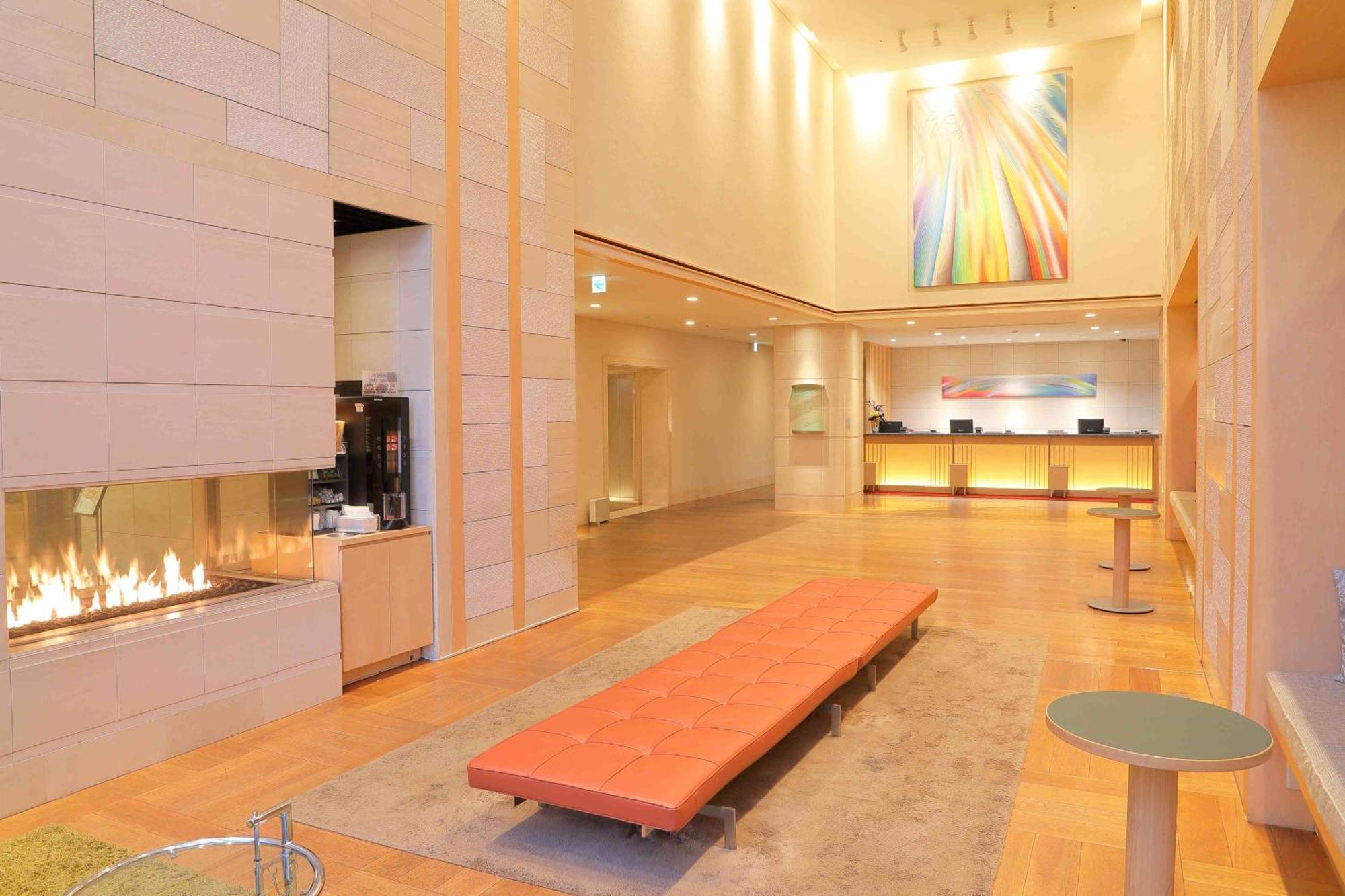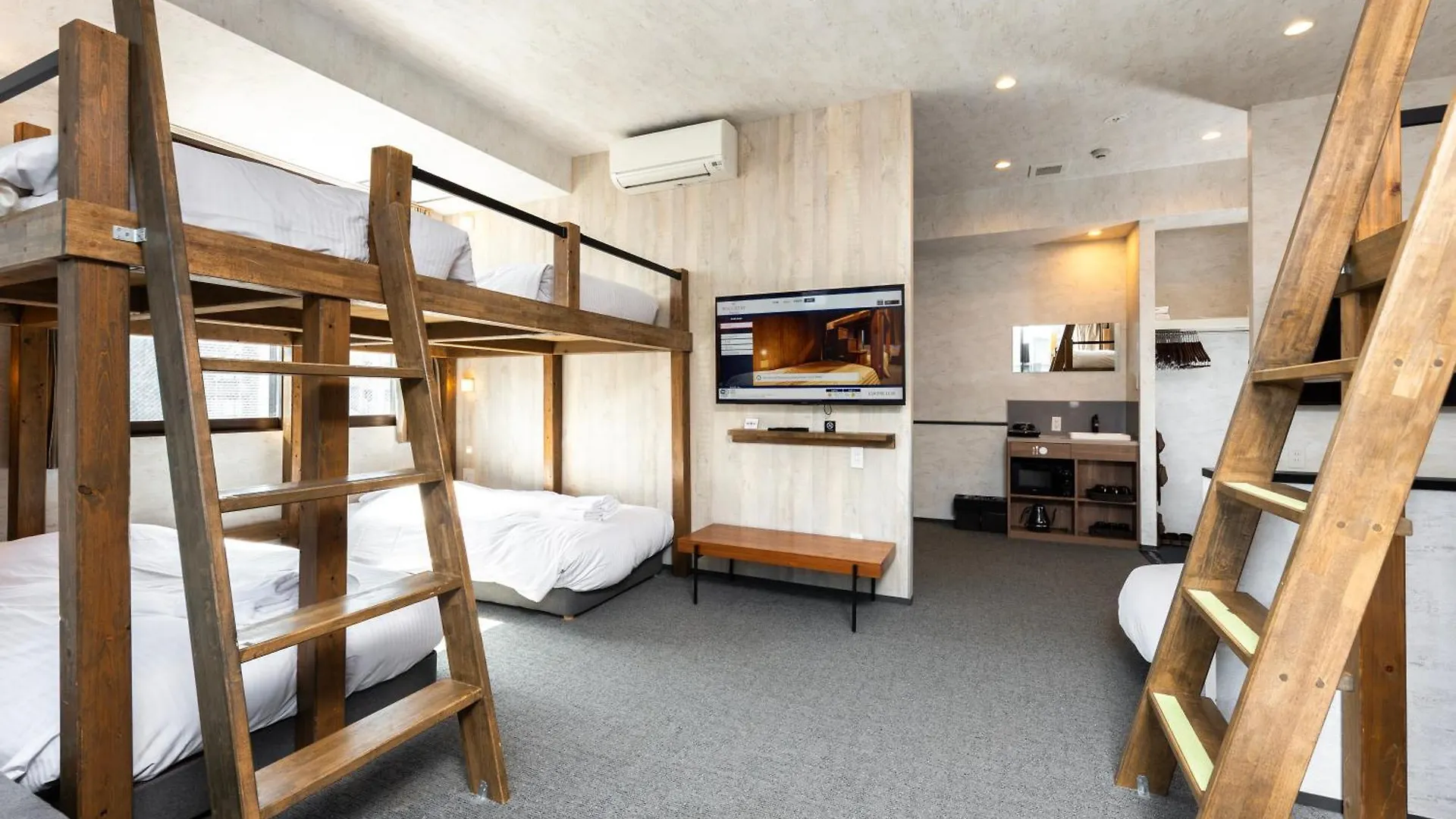
Shinsaibashi, Namba, and Yotsubashi sit at the commercial and cultural core of Osaka, where the density of transit connections, street food, and nightlife makes location genuinely matter. Budget hotels here range from compact business-style rooms to no-frills stays steps from Namba Station, giving price-conscious travelers direct access without the cost of premium accommodation. This guide breaks down what to expect, where to stay, and which properties deliver the most value in this high-demand district.
What It's Like Staying In Shinsaibashi, Namba & Yotsubashi
This district is one of Osaka's most walkable urban cores - Dotonbori, the Shinsaibashi Shopping Arcade, and Namba Station are all reachable on foot from most hotels here. Nighttime noise is a real factor, especially within two blocks of Dotonbori or the Ebisu-bashi bridge area, where izakayas and street food stalls stay active past midnight. Yotsubashi, slightly west of Shinsaibashi, runs quieter after 10pm while still sitting on the Yotsubashi subway line for easy movement across the city. Crowds peak heavily on weekends, with Shinsaibashi-suji arcade and Namba Parks drawing large volumes of both domestic and international visitors throughout the day.
Pros:
- Walking access to Namba Station (Midosuji, Sennichimae, Yotsubashi lines) cuts commute time significantly across Osaka
- Dotonbori and Kuromon Market are within a short walk, reducing food and entertainment costs
- High concentration of convenience stores, pharmacies, and late-night eateries within 5 minutes on foot
Cons:
- Street-facing rooms near Dotonbori can experience noise well past midnight, especially Friday and Saturday
- Sidewalks around Shinsaibashi-suji and Namba Station become heavily congested on weekends and public holidays
- Budget hotels in this zone often offer smaller room footprints due to high land costs in the area
Why Choose Cheap & Budget Hotels In Shinsaibashi, Namba & Yotsubashi
Budget hotels in this district are positioned aggressively to compete with mid-range options, and many deliver clean, functional rooms at rates that reflect the high local competition rather than a drop in quality. Staying at a budget property here can cost around 40% less than booking a mid-range hotel in the same block, a meaningful difference during a multi-night Osaka stay. Room sizes in budget hotels here typically run compact - often under 18 sqm - which is standard for Japanese city hotels and rarely a practical problem if you're spending most of the day outside. The real trade-off is not quality but extras: fewer amenities like luggage concierge, in-room dining, or lounge access, which budget properties in this zone typically skip to maintain their price point.
Pros:
- Budget rates in Shinsaibashi and Namba still put you inside the most transit-connected part of Osaka
- Several budget hotels in this area include free breakfast, offsetting daily food costs meaningfully
- Competition among properties keeps standards relatively high - cleanliness and WiFi reliability are consistent
Cons:
- Room footprints are small, often making it difficult to manage large luggage in standard budget rooms
- Shared or minimal lobby spaces mean fewer areas to work, wait, or decompress outside the room
- Budget hotels near high-traffic intersections may have limited soundproofing in older builds
Practical Booking & Area Strategy For Namba & Shinsaibashi
The strongest micro-location for budget stays is the corridor between Nipponbashi Street and Sakaisuji, where hotel density is high and you're within a 10-minute walk of both Namba Station and Nipponbashi Station on the Kintetsu line. Shinsaibashi Station on the Midosuji Line is the single most useful transit hub in the district - hotels within 400 metres of it give direct subway access to Shin-Osaka (Shinkansen), Umeda, and Tennoji without transfers. For sightseeing, the Glico Man Sign at Dotonbori, the Shinsaibashi Shopping Arcade, Kuromon Ichiba Market, and Den Den Town (Osaka's electronics district) are all reachable on foot from hotels in this zone. Book at least 6 weeks ahead for travel during Golden Week (late April to early May), Obon (mid-August), and the autumn foliage season in November, when budget room availability in Namba drops sharply and prices increase. Yotsubashi-area properties sit slightly off the main tourist drag, which often translates to slightly lower rates and less foot traffic immediately outside the hotel.
Best Value Budget Stays
These properties offer strong location-to-price ratios in the Namba and Shinsaibashi corridor, with functional amenities and direct access to the district's main transit and dining infrastructure.
-
1. Wellstay Namba
Show on map


 Check-infrom 15:00 until 23:00Check-outuntil 10:00
Just a few rooms left at the best rate!
fromJP¥ 14815
-
2. Super Hotel Namba Nippombashi
Show on map


 Check-infrom 15:00 until 23:59Check-outuntil 10:00
Just a few rooms left at the best rate!
fromJP¥ 12608
-
3. Toyoko Inn Osaka Namba
Show on map


 Check-infrom 15:00 until 23:59Check-outuntil 10:00
Hurry – almost gone at this price!
fromJP¥ 17967
Best Mid-Range Budget Picks
These two properties offer slightly elevated amenities within the budget segment - on-site restaurants, branded standards, or superior transit positioning - while still maintaining competitive rates for the Shinsaibashi district.
-
4. Sotetsu Fresa Inn Osaka Shinsaibashi
Show on map


 Check-infrom 15:00 until 23:59Check-outfrom 05:00 until 11:00
Hurry – almost gone at this price!
fromJP¥ 12608
-
5. Four Points Flex By Sheraton Osaka Shinsaibashi
Show on map


 Check-infrom 15:00 until 23:59Check-outfrom 06:00 until 11:00
Rooms filling fast – secure the best rate!
fromJP¥ 8826
Smart Timing & Booking Advice for Namba & Shinsaibashi
Osaka's Namba and Shinsaibashi district runs at high occupancy for most of the year, but three windows drive the sharpest price spikes: Golden Week (late April through early May), Obon week in mid-August, and the November autumn period. During these periods, budget rooms in Namba can sell out weeks in advance and rates increase noticeably compared to off-peak months. January and February are the quietest months in terms of both crowds and hotel pricing, making them the most cost-effective window for exploring the district. For most travel windows, booking around 6 weeks ahead secures the best availability at budget properties near Shinsaibashi Station and Nipponbashi. A stay of 3 nights is generally the minimum to cover the core Namba area thoroughly - Dotonbori, Kuromon Market, Den Den Town, and Shinsekai - without feeling rushed. Last-minute bookings in this district carry real risk year-round due to the consistently high inbound tourism volume Osaka receives, particularly from East and Southeast Asian markets.