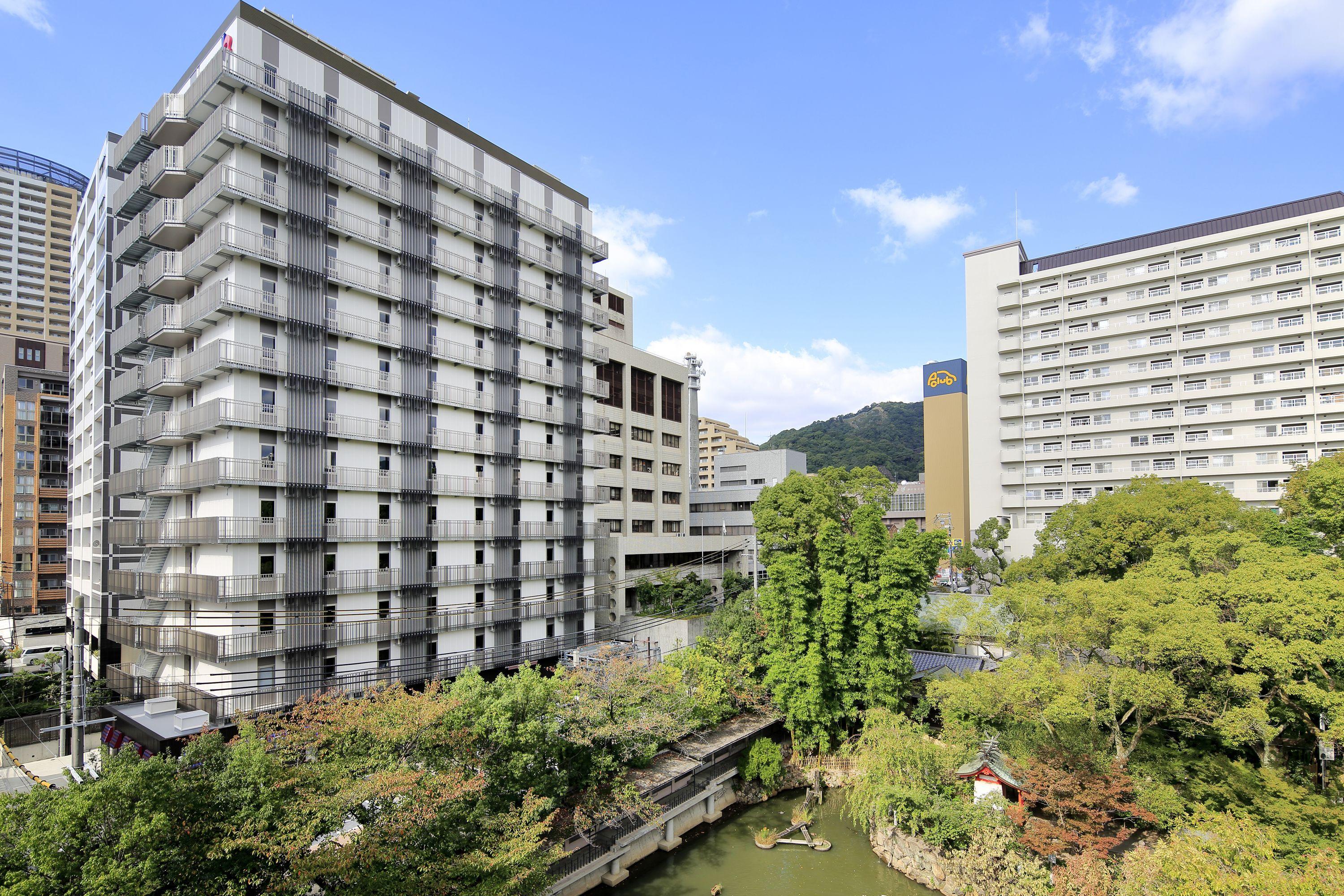
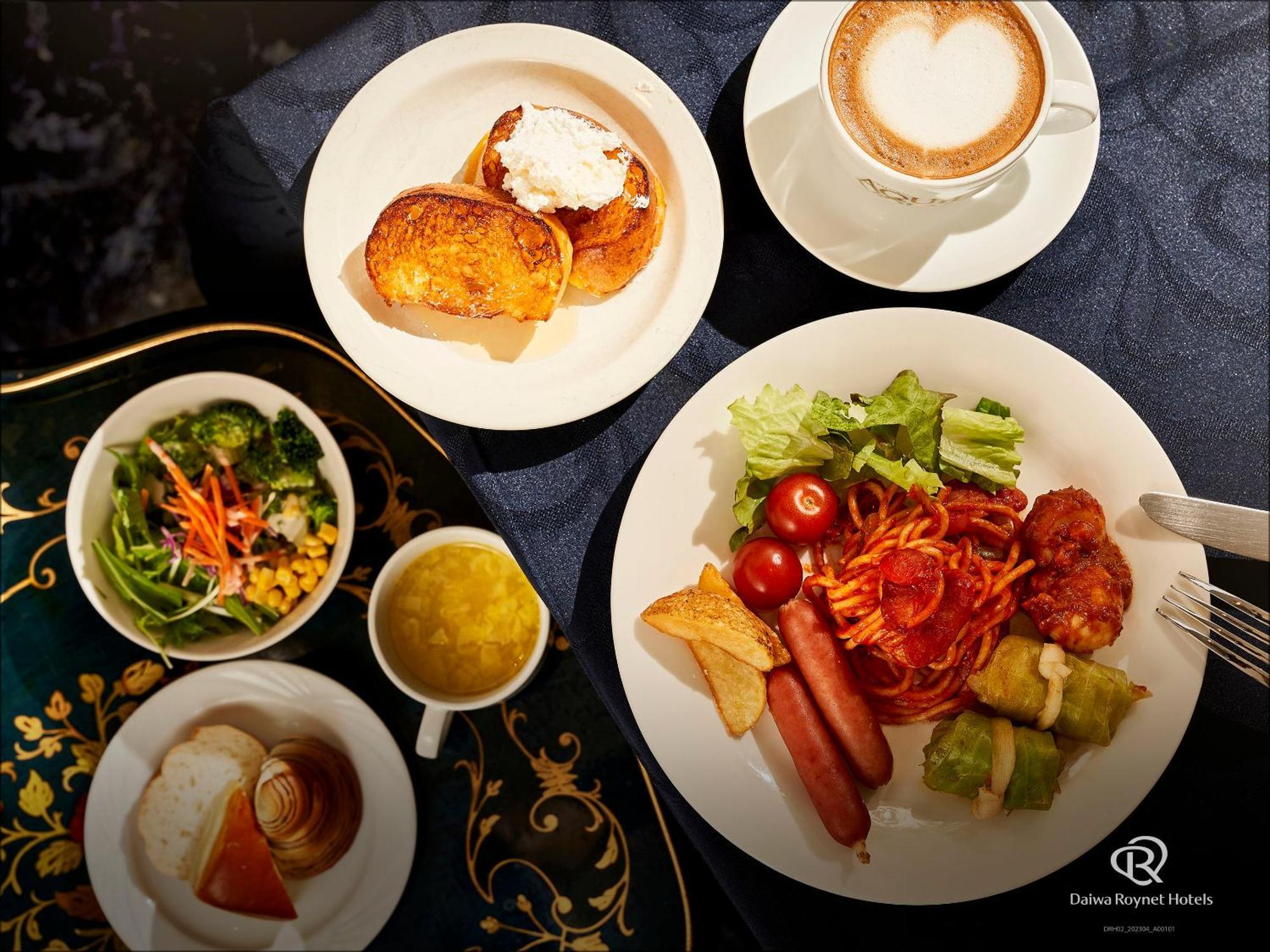
Fujikawaguchiko Onsen-kyo is the lakeside hot spring corridor hugging the northern shore of Lake Kawaguchi, placing guests within direct sightlines of Mount Fuji and a short ferry ride or bus hop from the area's main cultural stops. Hotels here operate on a ryokan rhythm - multi-course dinners served in-room or in private dining halls, communal onsen at fixed hours, and check-ins that follow the traditional 3 PM cadence - so this is not a district suited to drop-in arrivals or late-night activity. The two central hotels presented in this guide sit directly on or adjacent to the lake shore, each offering working natural hot spring facilities, full-board dinner options, and complimentary shuttle links to Kawaguchiko Station.
What It's Like Staying in Fujikawaguchiko Onsen-kyo
The Fujikawaguchiko Onsen-kyo strip runs along the northern lakeshore of Lake Kawaguchi, roughly between Kawaguchiko Station and the Mt. Kachikachi Ropeway - a concentrated stretch where most onsen hotels cluster within walking distance of each other but not of convenience stores or restaurants outside the property. The Retro Bus (Red Line) stops at key points along this corridor, but evening frequency drops significantly after 6 PM, meaning guests largely rely on the hotel's own shuttle or a taxi once they've checked in. Crowds peak sharply during autumn foliage season (mid-October to mid-November) and cherry blossom weeks in late April, when room availability can shrink by around 80% across the district with just days' notice.
Pros:
- * Direct lakeside positioning delivers unobstructed Mt. Fuji reflections visible from room windows and open-air baths, especially at dawn
- * Onsen facilities are on-site and natural - no need to venture out for the signature experience of the area
- * Free shuttle services to Kawaguchiko Station remove the transport burden for luggage-heavy arrivals
Cons:
- * Once checked in, dining choices are almost entirely limited to the hotel - independent restaurants are sparse within walking distance at night
- * The Retro Bus does not run 24 hours, making late arrivals or early morning departures logistically awkward without pre-arranged transport
- * Rooms fill months in advance during peak foliage and cherry blossom dates, so last-minute bookings often face limited room-type selection
Why Choose a Central Hotel in Fujikawaguchiko Onsen-kyo
Central hotels in Fujikawaguchiko Onsen-kyo are purpose-built around the onsen experience - they are not urban hotels with a hot spring tacked on, but full-service ryokan-style properties where the bath, the view, and the meal are the stay. Compared to accommodations near Kawaguchiko Station or the Fuji-Q Highland end of town, lakeside central properties command a notable premium, but they deliver private or semi-private onsen access, multi-course kaiseki-style dinners, and rooms sized for tatami lounging rather than efficient sleeping. Tatami rooms with lake or Mt. Fuji views are the defining feature of this category and are simply not replicable at properties set back from the waterfront - a lake-view room with an open-air bath can represent around 40% more cost than a standard inland room, but that surcharge buys an unobstructed sunrise over Mt. Fuji from your own balcony.
Pros:
- * Large tatami rooms with futon bedding, yukata robes, and in-room green tea - a complete traditional Japanese accommodation experience
- * On-site natural hot spring baths (indoor, outdoor, and in select rooms) eliminate the need to visit a public sento separately
- * Seasonal Japanese multi-course dinners served in private dining rooms or in-room provide a self-contained cultural experience
Cons:
- * The ryokan pace - fixed meal times, communal bath schedules, and early check-out - does not suit guests wanting flexibility
- * Premium rooms with private open-air baths are a significant cost jump and book out earliest, leaving mid-tier options for late planners
- * The full-board model means paying for meals regardless of whether you intend to eat at the property that evening
Practical Booking & Area Strategy for Fujikawaguchiko Onsen-kyo
The Fujikawaguchiko Onsen-kyo lakefront corridor is best accessed via Route 715 (Kawaguchiko Ohashi road), which runs along the northern shore and connects directly to Kawaguchiko Station in around 10 minutes by car or hotel shuttle. Guests arriving by public transport use Kawaguchiko Station as the hub - the Fujikyuko Line connects there from Otsuki (JR connections to Tokyo) in around 50 minutes, and free hotel shuttles typically operate from the station forecourt. Mt. Kachikachi Ropeway is within a 5-minute drive and delivers panoramic lake-and-Fuji views, while Fuji-Q Highland amusement park is around 10 minutes by car - making this district practical for mixed itineraries combining nature, onsen, and theme park days. The Chureito Pagoda and Fuji-Omuro Sengen Shrine are reachable via the Retro Bus without a car. Book at least 6 weeks in advance for autumn and sakura season dates; last-minute windows typically return only standard-view rooms or no availability at the top lakeside properties.
Recommended Central Hotels in Fujikawaguchiko Onsen-kyo
Both hotels below sit on or directly adjacent to Lake Kawaguchi's shoreline, offering genuine natural hot spring access, Mt. Fuji views, and traditional Japanese room configurations - the core reasons travelers choose the Onsen-kyo district over other parts of Fujikawaguchiko.
-
1. Fujikawaguchiko Onsen Konanso
Show on map


 Check-infrom 15:00 until 19:00Check-outuntil 10:00
Just a few rooms left at the best rate!
fromJP¥ 52167
-
2. Lakeland Hotel Mizunosato
Show on map


 Check-infrom 15:00 until 19:30Check-outuntil 10:00
Hurry – almost gone at this price!
fromJP¥ 28526
Smart Travel & Timing Advice for Fujikawaguchiko Onsen-kyo
The clearest Mt. Fuji views from the Onsen-kyo shoreline occur from November through February, when dry winter air keeps the mountain visible for days at a stretch - this is also the quietest period for crowds, with room availability easier to secure and prices softer than peak season. Autumn foliage (late October to mid-November) brings the heaviest domestic tourism of the year to Lake Kawaguchi, and lakeside onsen hotels fill completely within days of the foliage forecast being published. Spring cherry blossom season - typically late April at this altitude - creates a second surge, particularly for rooms with direct lake and Fuji-frame views. Summer (July-August) sees strong domestic family travel driven by Fuji climbing season, with the 5th Station accessible by bus from Kawaguchiko Station. A minimum 2-night stay is the practical standard in this district: the onsen rhythm, the multi-course dinner, and a morning soak before departure make single-night stays feel rushed. Book open-air bath rooms at least 8 weeks ahead for any date falling in the October-November or late April windows - these categories sell out categorically faster than standard tatami rooms at both properties.