Roppongi sits at the intersection of Tokyo's art scene, high-end dining, and after-dark energy - a district where staying centrally means being within minutes of Roppongi Hills, Tokyo Midtown, and the Mori Art Museum. These two central hotels are positioned to give you direct access to one of Tokyo's most dynamic neighborhoods, with traditional Japanese-style rooms, on-site hot spring baths, and full-service amenities that go well beyond a standard city stay.
What It's Like Staying in Roppongi
Roppongi is one of the few Tokyo districts where world-class art institutions, Michelin-starred restaurants, and neon-lit nightlife coexist within a walkable radius. Roppongi Station is served by both the Hibiya Line and the Toei Oedo Line, giving you direct links to Shibuya, Shinjuku, and Ginza without switching trains - though it's worth knowing Roppongi is not on the JR Yamanote Line, which adds a transfer step from many city hubs. The neighborhood runs at full speed well past midnight on weekends, with foot traffic peaking around entertainment clusters on Roppongi-dori and Gaien-Higashi-dori.
Pros:
- Walking distance to Roppongi Hills, Tokyo Midtown, and the Mori Art Museum - Tokyo's densest cluster of culture and upscale dining
- Dual subway access (Hibiya & Oedo lines) connects you to most of Tokyo's major districts without JR transfers
- Around-the-clock convenience: konbini, late-night dining, and 24-hour services are embedded in the district's fabric
- Weekend nightlife noise on and around Roppongi-dori is significant - light sleepers on lower floors should request rooms facing interior courtyards
- Not on the JR Yamanote Line, so reaching Ueno or Akihabara requires around 2 train connections
- Street-level activity near entertainment venues requires situational awareness, especially late at night
Why Choose Central Hotels in Roppongi
Central hotels in Roppongi occupy a distinct position in Tokyo's accommodation landscape: they place you at the core of a district where cultural landmarks and nightlife infrastructure overlap, without the price ceiling of luxury towers like the Ritz-Carlton at Roppongi Hills. In this zone, centrally located properties typically charge around 20% more per night than comparable rooms in Shinjuku or Asakusa - a premium justified by walkability to Roppongi Hills and Tokyo Midtown, not just proximity to bars. What sets central hotels here apart from budget options on the district's edges is consistent on-site infrastructure: full-service restaurants, hot spring baths, and 24-hour front desks that function as genuine travel support hubs.
Pros:
- On-site hot spring baths in central Roppongi hotels give you an authentic Japanese wellness experience without leaving the hotel
- Traditional tatami rooms and futon bedding offer a genuinely different experience from the standard city hotel format
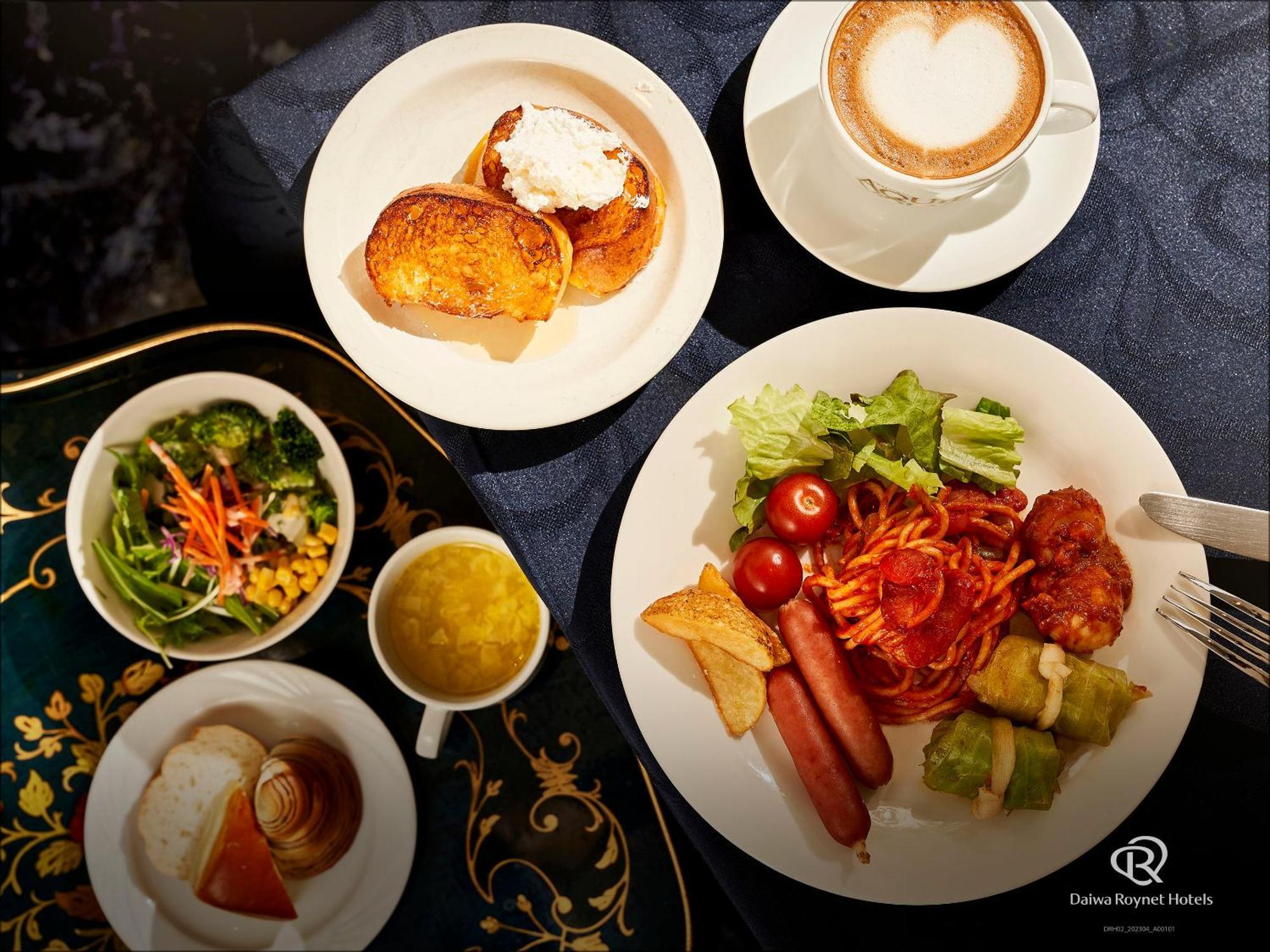
- Full-service restaurants with Japanese cuisine - including vegetarian and vegan options - remove the daily logistics of finding nearby dining
- Central positioning means room sizes can be smaller than equivalent-priced hotels in outer Tokyo districts
- On-site amenities like valet parking and shuttle services are more useful for leisure travelers than for those commuting within the city daily
- Tatami-style rooms with futon bedding are not suited to travelers with mobility limitations, despite general accessibility provisions
Practical Booking & Area Strategy for Roppongi
For the best micro-location in Roppongi, prioritize hotels within a 10-minute walk of Roppongi Station (Exit 1C) on Gaien-Higashi-dori or Roppongi-dori - these axes connect you directly to both Roppongi Hills and Tokyo Midtown on foot. Tokyo Tower is around an 8-minute drive south, and the Mori Art Museum is a 10-minute walk from most central addresses in the district. If you're arriving by air, Tokyo Haneda Airport is around 13 km away, making a taxi or the Keikyu Line a practical first-leg option before switching to the Hibiya Line at Daimon.
Cherry blossom season (late March to early April) and autumn foliage (October to November) are the two periods when Roppongi hotel rates spike most sharply - booking at least 6 weeks in advance during these periods is the standard threshold for securing competitive rates. Outside peak seasons, January and February offer the lowest nightly rates across central Roppongi properties, with availability typically strong enough for shorter booking windows. For things to do: Roppongi Hills' 54th-floor observation deck (Tokyo City View), the Mori Art Museum's contemporary exhibitions, Tokyo Midtown's garden spaces, and the National Art Center on Nogizaka are all within a 15-minute walk of central hotel addresses in the district.
Recommended Central Hotels in Roppongi
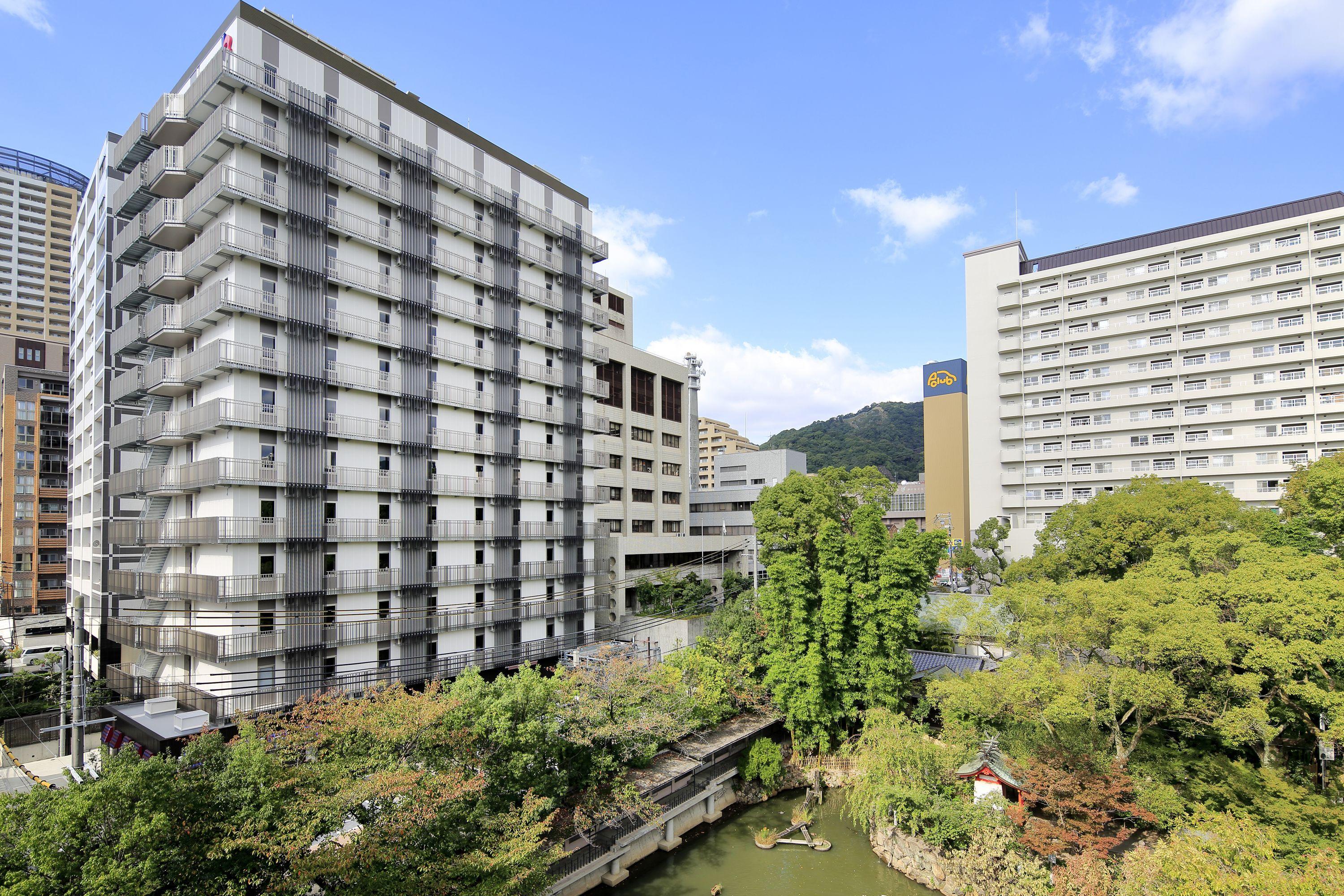
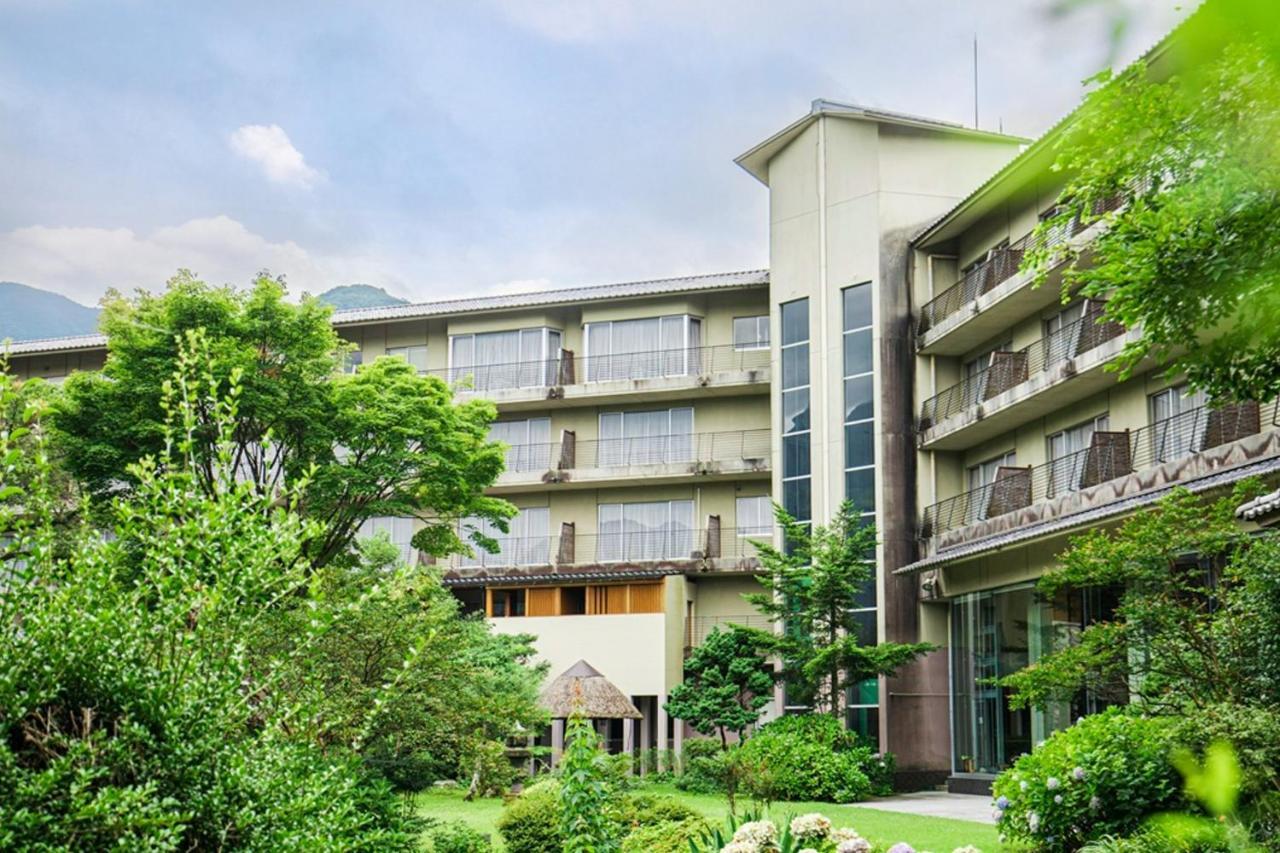
Both hotels below offer centrally located stays in Roppongi with traditional Japanese-style rooms, on-site hot spring baths, and full dining facilities - two features rarely found in combination at this district's standard city hotels.
-
1. Ryokan Biyunoyado
Show on map


 Check-infrom 15:00 until 19:00Check-outfrom 07:00 until 10:00
Just a few rooms left at the best rate!
fromJP¥ 25532
-
2. Hotel Yudanaka
Show on map


 Check-infrom 15:00 until 23:00Check-outuntil 10:00
Hurry – almost gone at this price!
fromJP¥ 21434
Smart Travel & Timing Advice for Roppongi
The two clearest pricing windows for central Roppongi hotels are January-February (lowest demand, strong availability) and early September - periods when the district's cultural and entertainment venues remain fully active but international tourist volume drops. Cherry blossom season (late March to early April) and the November autumn foliage window are when central Roppongi hotels fill fastest; booking 6 weeks or more in advance during these periods is the practical minimum, not a precaution. A stay of 3 nights gives enough time to cover the core Roppongi circuit - Roppongi Hills, Tokyo Midtown, the Mori Art Museum, and the National Art Center - while leaving buffer for day trips to Shibuya and Ginza via the Hibiya Line. Last-minute bookings in Roppongi carry more risk than in outer Tokyo districts because the central hotel inventory is smaller relative to demand; early commitment is consistently rewarded here, particularly for tatami-style rooms, which are limited in number. Weekday check-ins tend to secure better rates than Friday or Saturday arrivals in this district, given how heavily leisure-driven the weekend demand spike is.