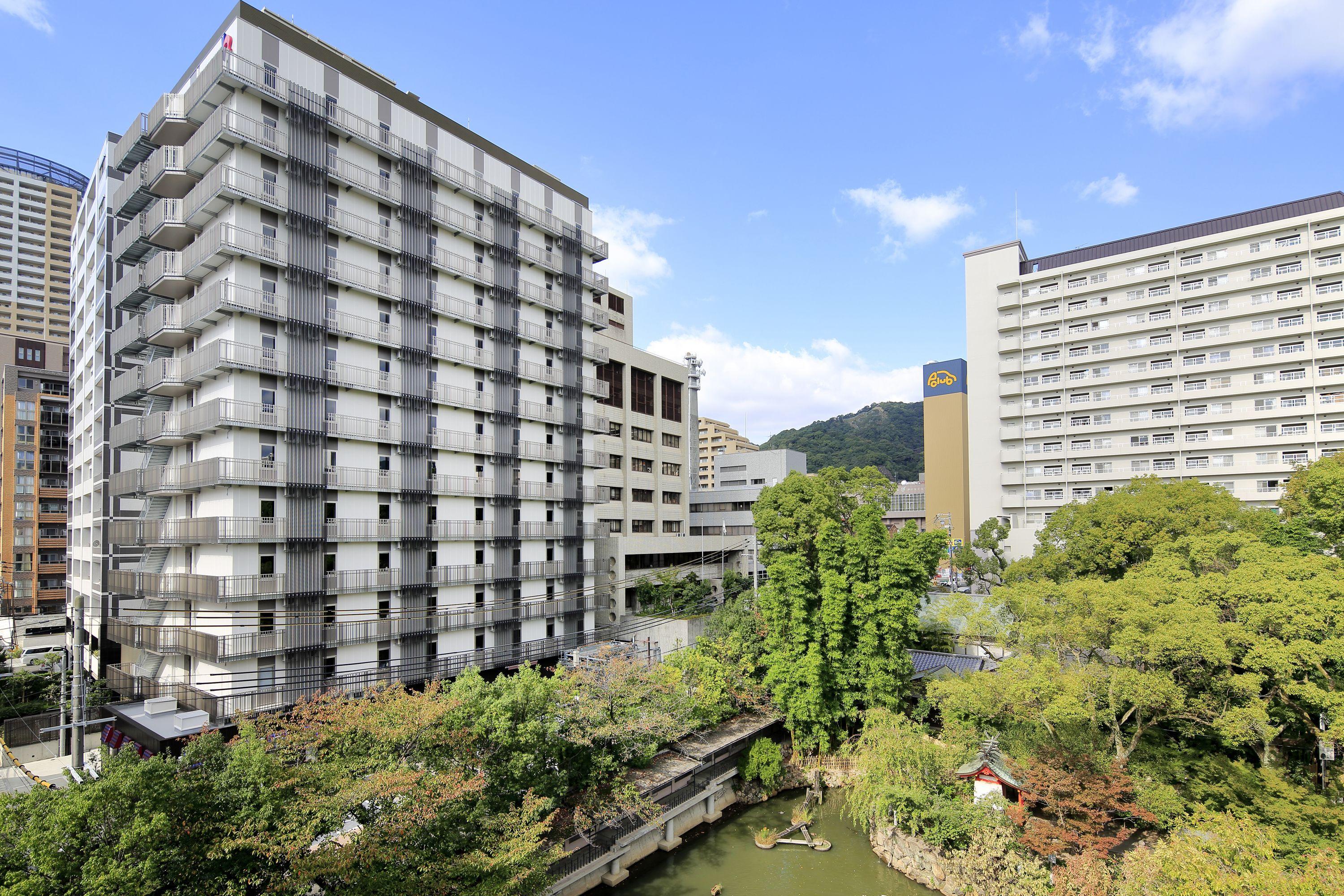
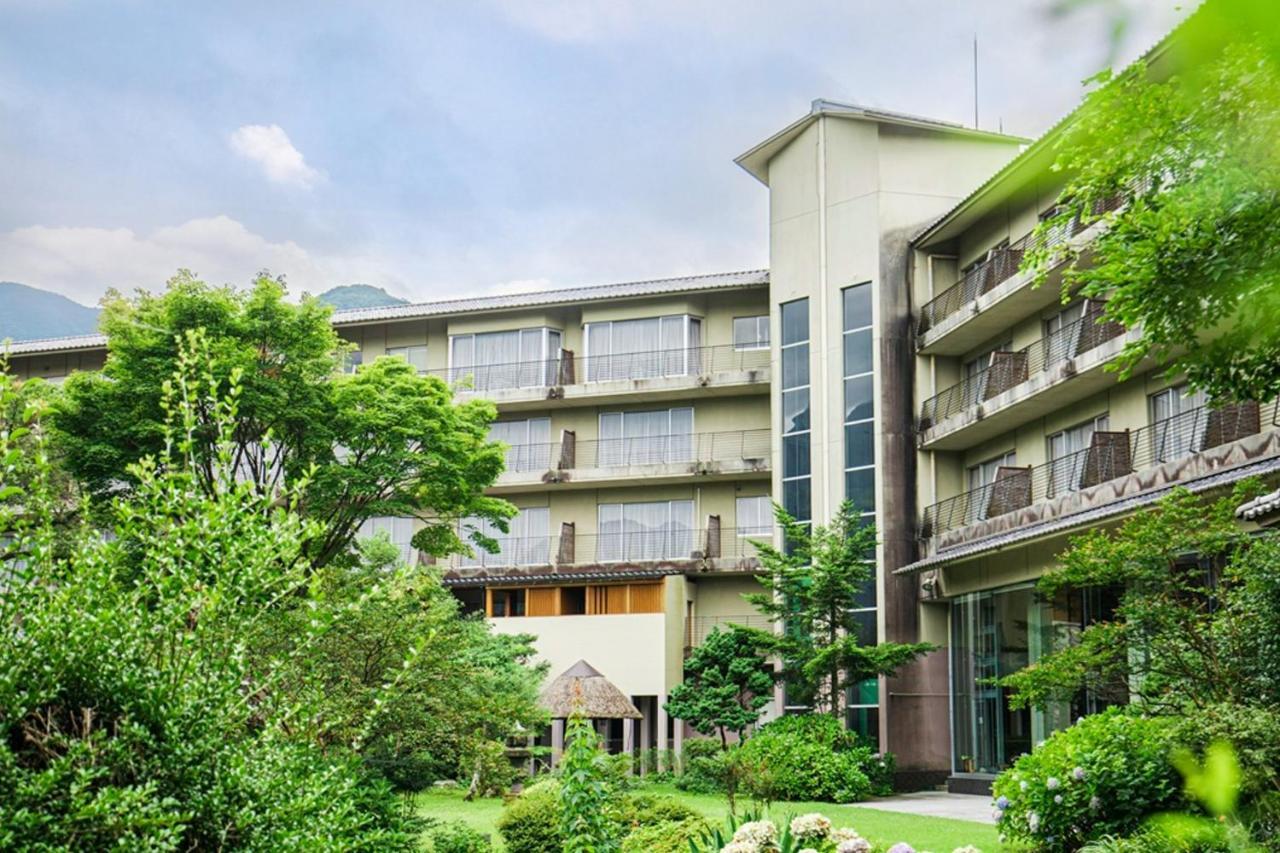
Hakone Yumoto Onsen is the entry point and hot spring hub of the entire Hakone region, sitting at the base of the mountains where the Hayakawa River flows through a narrow valley. Visitors searching for hotels here are typically looking for one thing above all else: a genuine onsen experience within easy reach of Hakone-Yumoto Station and the Hakone Tozan Railway - the gateway to Lake Ashi, Owakudani, and the Open-Air Museum. Staying centrally in Hakone Yumoto Onsen means you position yourself at the transport nerve center of the area while still waking up to mountain air and mineral-rich baths, something no urban neighborhood in the region can replicate.
What It's Like Staying in Hakone Yumoto Onsen
Hakone Yumoto Onsen operates on a rhythm driven by train arrivals and departure times rather than by city street life. Hakone-Yumoto Station connects directly to the Odakyu Romancecar from Shinjuku (around 85 minutes) and to the Hakone Tozan Railway that climbs toward Gora - meaning your mornings and evenings are shaped by these timetables, not by urban walkability. The main commercial strip along Yumoto Onsen Road runs from the station gate toward the Hayakawa River and holds souvenir shops, small restaurants, and several public bathhouses, most of which are reachable within a 10-minute walk. Crowds peak sharply on weekends and during Golden Week, when day-trippers from Tokyo pack the station area before dispersing into the mountains - guests staying overnight are better placed to access the onsens before or after the rush.
Pros:
- * Direct rail access from Tokyo's Shinjuku via Odakyu Romancecar, making arrival and departure straightforward without a car
- * Highest concentration of public and hotel onsen facilities in all of Hakone, with multiple bathhouses walkable from any central hotel
- * Hakone Free Pass, sold at Odakyu counters in the station, covers all regional transport - buses, cable cars, ropeway, and lake cruise - from this exact starting point
Cons:
- * Weekend foot traffic along Yumoto Onsen Road becomes genuinely dense between 10:00 and 16:00, making the street-level experience far noisier than the mountain areas further up
- * Hotels without shuttle services require navigating the uphill terrain on foot, which can be challenging with luggage
- * Most main attractions - Lake Ashi, Owakudani, the Open-Air Museum - are not within walking distance and require additional transport connections from this base
Why Choose a Central Hotel in Hakone Yumoto Onsen
Central hotels in Hakone Yumoto Onsen occupy a distinct tier between budget guesthouses and the ultra-secluded mountain ryokan found deeper in the hills. Rooms here consistently include private or communal onsen fed by genuine hot spring sources, kaiseki meal plans as standard, and shuttle connections to the station - services that budget accommodation in the area simply cannot offer. The price premium over a standard Western hotel in Odawara (the nearest urban city, around 15 minutes by train) is real, but so is the difference: you are sleeping inside the thermal resort belt, not commuting into it each day. Central properties in Yumoto typically occupy hillside or riverside plots that give them mountain or valley views without requiring guests to travel deeper into the range.
Pros:
- * Onsen baths - both public and private - are fed by Yumoto's high-volume hot spring sources, with around 8,000 tons of water flowing daily through the local spring network
- * Kaiseki multi-course dinners and Japanese breakfasts are standard inclusions, removing the need to navigate the limited local dining scene at night
- * Shuttle services to Hakone-Yumoto Station are included at most central properties, removing the friction of uphill walks with luggage
Cons:
- * Meal plans are typically fixed-time and mandatory, reducing scheduling flexibility - missing dinner usually means no refund
- * Most central onsen hotels in Yumoto operate as adult-only or have strict tattoo restrictions for communal baths, which eliminates them for some traveler groups
- * Rooms come at a significantly higher per-night cost than equivalent non-onsen hotels in nearby Odawara, making them a deliberate splurge rather than a convenience booking
Practical Booking & Area Strategy for Hakone Yumoto Onsen
The most strategically positioned hotels in Hakone Yumoto Onsen sit along the Hayakawa River corridor, specifically in the Tonosawa sub-area, which lies within a 10-minute walk or a short bus ride up the valley from Hakone-Yumoto Station - properties here trade some walkability for genuine nature immersion and significantly quieter surroundings after dark. For the main commercial strip, the Yumoto Onsen Road area directly behind the station is the most walkable zone but also the loudest at peak hours. Book at least 6 to 8 weeks in advance for cherry blossom season (late March to early April) and autumn foliage peak (mid-to-late November), when Hakone Yumoto fills to capacity and properties with meal-plan inclusions sell out before the rooms themselves. The Hakone Free Pass (purchased at Odakyu counters in Hakone-Yumoto Station) is the single most cost-effective tool for exploring the area: it covers the Hakone Tozan Railway to Gora, the cable car to Sounzan, the ropeway over Owakudani, and the Lake Ashi sightseeing cruise - all accessible from this base. Major attractions within reach include the Hakone Open-Air Museum (25 minutes by Tozan train), Owakudani volcanic valley (40 minutes via train and ropeway), and Lake Ashi with views of Mt. Fuji on clear days (around 60 minutes total journey).
Best Value Stay
For those seeking an accessible entry point into Hakone Yumoto's onsen culture with a full hotel infrastructure and shuttle convenience, this property delivers a structured and sociable stay.
-
1. Aura Tachibana
Show on map


 Check-infrom 15:00 until 18:00Check-outuntil 10:00
Just a few rooms left at the best rate!
fromJP¥ 28526
Best Premium Stay
For a fully adult-only, nature-immersed retreat where every room includes a private open-air hot spring bath and the design concept runs deeper than typical hotel aesthetics, this ryokan sets a different standard.
-
2. Kinnotake Tonosawa (Adults Only)
Show on map


 Check-infrom 15:00 until 19:00Check-outuntil 11:00
Hurry – almost gone at this price!
fromJP¥ 139322
Smart Travel & Timing Advice for Hakone Yumoto Onsen
Cherry blossom season (late March to early April) and autumn foliage peak (mid-to-late November) are the two periods when central Hakone Yumoto hotels fill fastest and command their highest rates - advance booking is essential, with availability at onsen properties with meal plans often closing out well before standard hotels in the area. Spring and autumn also bring the clearest skies for Mt. Fuji views from Lake Ashi, which makes the combination of an onsen stay and a full Hakone loop more rewarding. Summer (July to August) draws heavy domestic tourism but keeps the mountains noticeably cooler than Tokyo - around 5°C lower - making it a legitimate high season despite the crowds. The quietest and most competitively priced windows are January to mid-March and late November through December, when weekday availability is often open and last-minute bookings become viable. A 2-night stay is the practical minimum for guests combining the full Hakone loop (train, cable car, ropeway, lake cruise) with a proper onsen evening - trying to compress this into one night typically means cutting either the attractions circuit or the bath experience short. For properties with fixed-time kaiseki dinners, always confirm your expected check-in time at booking to avoid missing the meal window entirely.