Chuo Ward is Osaka's commercial and cultural core, stretching from the neon-lit streets of Shinsaibashi and Namba to the business corridors of Honmachi and Yodoyabashi. Staying here puts you within walking distance of Dotonbori, the Shinsaibashi shopping arcade, and multiple subway lines connecting you to every corner of the city. These six design hotels in Chuo Ward offer distinct architectural and interior identities - from Marriott-backed industrial-chic to compact Japanese modernism - across different price points and micro-locations within the ward.
What It's Like Staying in Chuo Ward
Chuo Ward is one of Osaka's most walkable urban zones, but its rhythm shifts dramatically depending on which part you're in. The Namba and Shinsaibashi end is dense, loud, and active well past midnight, while the Honmachi and Yodoyabashi corridor is a business district that quiets down significantly after 9pm. Most major attractions in the ward are reachable on foot or within 3 subway stops, which eliminates the need for taxis in most scenarios. The ward sits on three major subway lines - the Midosuji, Sakaisuji, and Tanimachi lines - making connections to Osaka Station, Tennoji, and Kyoto straightforward.
Foot traffic peaks sharply on weekends, particularly around Dotonbori and the covered Shinsaibashi-suji shopping street, where crowds can make a 10-minute walk feel like 20. Travelers who prioritize quiet evenings or early mornings may find the Honmachi or Yodoyabashi end of the ward considerably more manageable.
Pros:
- Direct subway access to Shinkansen hubs, Kansai International Airport, and Nara from within the ward
- Walking access to Dotonbori, Kuromon Market, and the Shinsaibashi shopping corridor without needing transport
- High concentration of convenience stores, pharmacies, and late-night restaurants on nearly every block
- Weekend nights around Namba and Dotonbori produce heavy pedestrian congestion that slows movement
- Hotels near entertainment zones carry noise levels that persist past 1am on Fridays and Saturdays
- Room rates spike around 40% during Golden Week, cherry blossom season, and major Osaka festivals
Why Choose a Design Hotel in Chuo Ward
Design hotels in Chuo Ward tend to occupy converted commercial buildings or purpose-built structures that use the urban density as part of their aesthetic. Unlike standard business hotels that dominate much of Osaka's accommodation market, these properties invest in spatial identity - whether through rain showers, branded interiors, curated materials, or architectural lighting - at a price point that typically runs around 20% above standard three-star options in the same area. Room sizes in this category in Chuo Ward lean compact, reflecting Tokyo-style urban hotel logic, but design choices compensate with efficient layouts, walk-in showers replacing bathtub-only setups, and thoughtful storage.
The trade-off is real: you're often paying for the visual and experiential identity of the property rather than square footage. Properties affiliated with international groups like Marriott bring loyalty program benefits and service consistency, while independent or smaller-chain design hotels offer more localized character. Either way, the Chuo Ward location means the street-level energy of Osaka is immediately accessible regardless of which end of the ward you're staying in.
Pros:
- Architectural and interior details that justify a premium over generic business hotels at a similar rate
- Strategic positioning on or near major subway lines reduces transport costs across a multi-day stay
- Walk-in rain showers, memory foam bedding, and air purifiers appear across multiple properties in this category here
- Room footprints are compact, typically under 25 square meters in most mid-range design properties in Osaka
- Parking is limited or unavailable at most properties, making car-based travel from these hotels impractical
- Design-forward properties in high-foot-traffic zones like Shinsaibashi book out weeks in advance during peak periods
Practical Booking & Area Strategy
The most strategically positioned design hotels in Chuo Ward cluster along two corridors: the Midosuji line spine running through Shinsaibashi, Namba, and Honmachi, and the Sakaisuji line corridor through Sakaisuji Honmachi - both offer direct metro connections north to Osaka Station (Umeda) and south to Tennoji. Properties within a 5-minute walk of Hommachi Station exit 7 or Sakaisuji Honmachi Station give you the best balance of design-hotel density and after-hours quiet, since you're still within a 10-minute subway ride of Namba but away from the entertainment district noise. Dotonbori, Kuromon Ichiba Market, and Osaka Castle are all reachable within 25 minutes on foot or by one subway stop depending on your starting point.
For Osaka Castle access, hotels on the eastern side of Chuo Ward near Tanimachi 4-chome are closest - Hotel New Otani sits directly in front of the castle grounds. Book at least 6 weeks ahead for stays between late March and early May or during the autumn foliage period in November, when both domestic and international travel peaks in Osaka. Last-minute bookings in these periods carry a significant rate premium and limited room type availability.
Best Value Design Stays
These properties deliver strong design identity and location efficiency at rates that make them the most accessible entry points into Chuo Ward's design hotel offer.
-
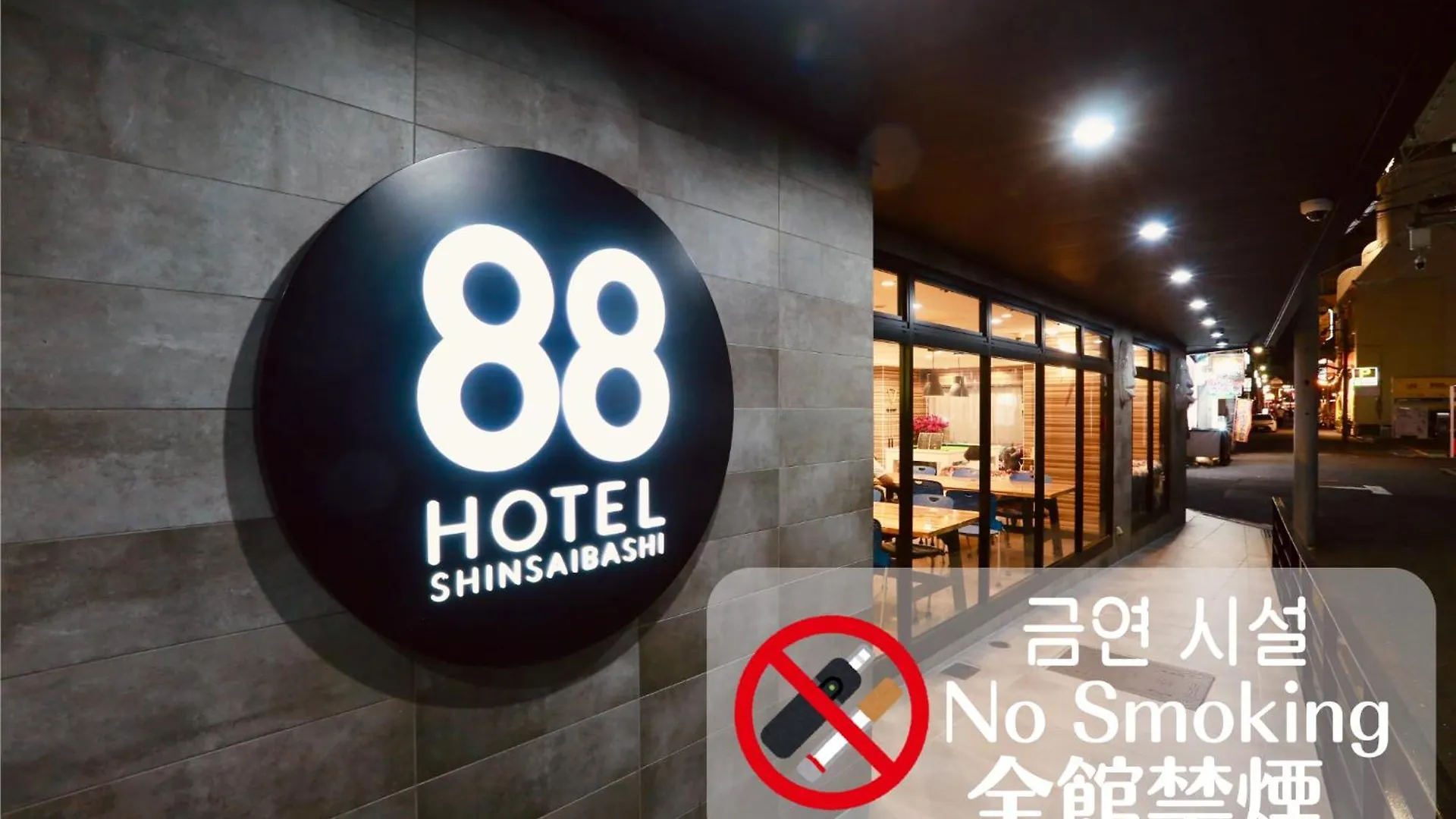
1. Hotel 88 Shinsaibashi
Show on map


 Check-infrom 15:00 until 23:00Check-outuntil 10:00
Just a few rooms left at the best rate!
fromJP¥ 13081
-
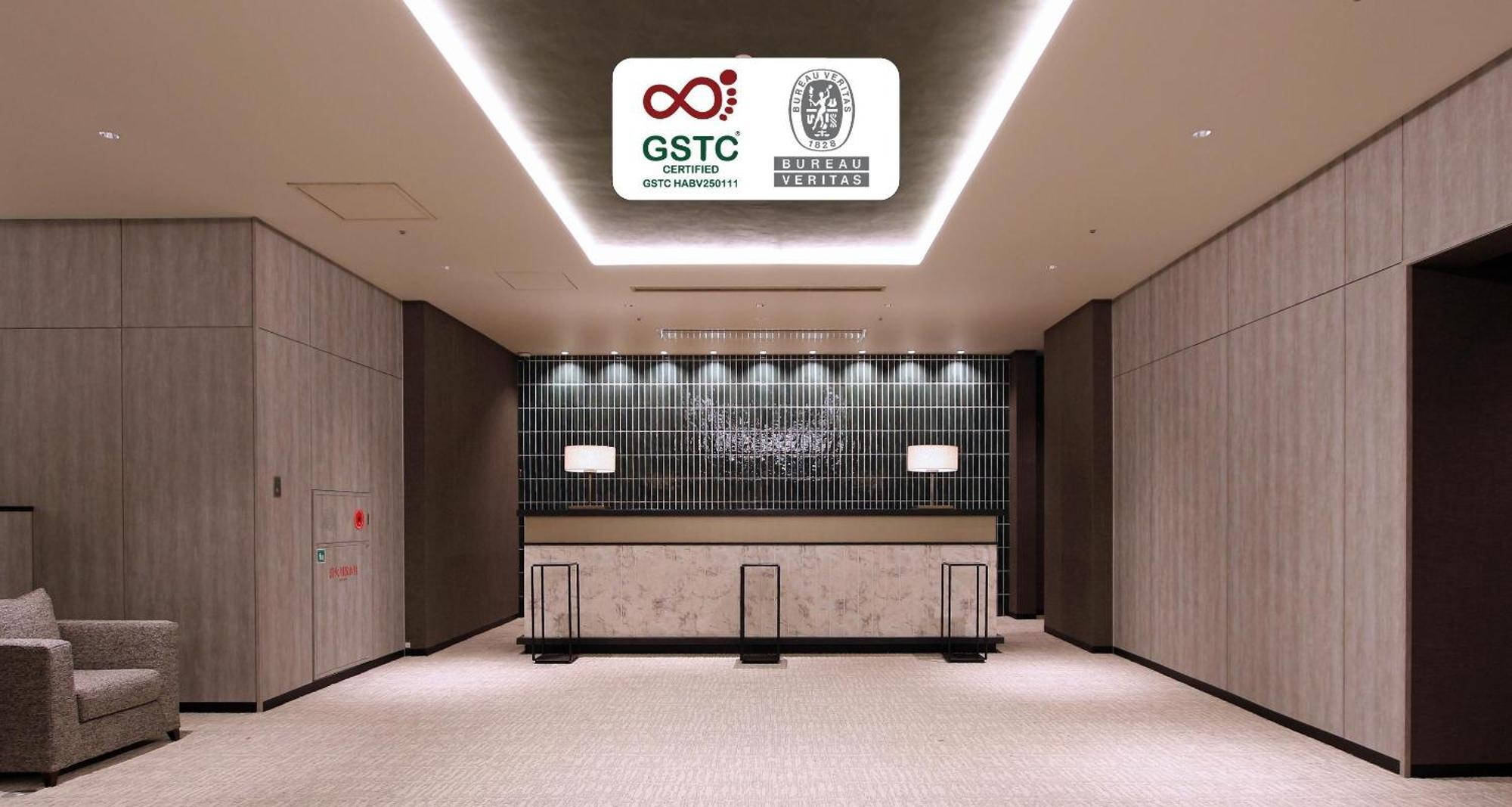
2. Hotel Mystays Midosuji Honmachi
Show on map


 Check-infrom 15:00 until 23:59Check-outuntil 11:00
Just a few rooms left at the best rate!
fromJP¥ 5516
-
3. Nest Hotel Osaka Shinsaibashi
Show on map


 Check-infrom 15:00 until 23:59Check-outuntil 11:00
Hurry – almost gone at this price!
fromJP¥ 4255
-
4. Moxy Osaka Honmachi
Show on map


 Check-infrom 15:00 until 23:59Check-outuntil 12:00
Hurry – almost gone at this price!
fromJP¥ 14972
Best Premium Design Stays
These two properties operate at a higher price tier within Chuo Ward, offering broader facilities, more prominent locations, and elevated service infrastructure to match.
-
5. Hotel Keihan Yodoyabashi
Show on map


 Check-infrom 15:00 until 23:59Check-outuntil 11:00
Rooms filling fast – secure the best rate!
fromJP¥ 16706
-
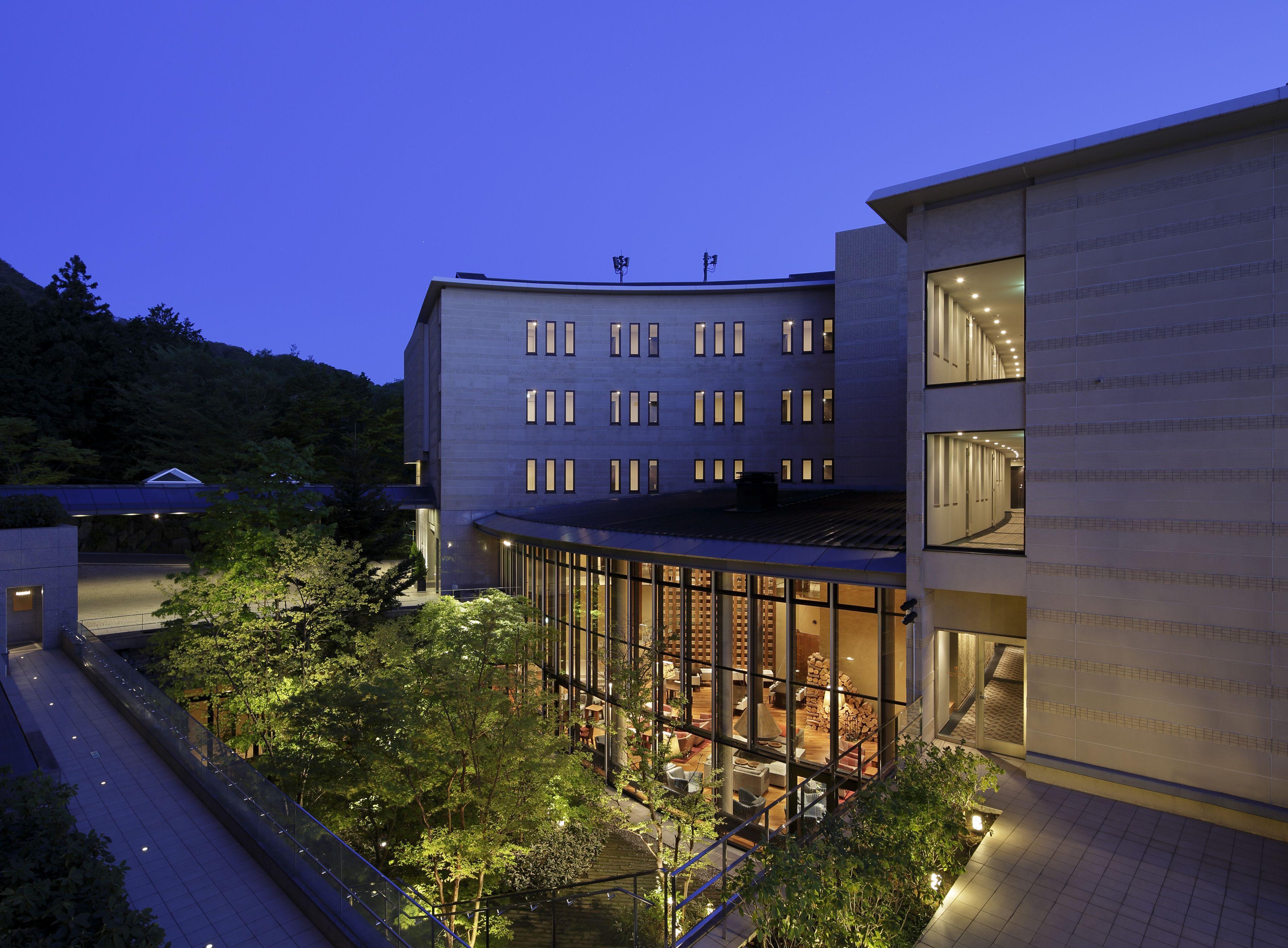
6. Hotel New Otani Osaka
Show on map


 Check-infrom 15:00 until 23:59Check-outuntil 12:00
Rooms filling fast – secure the best rate!
fromJP¥ 13869
Smart Travel & Timing Advice for Chuo Ward
Osaka's peak travel periods hit Chuo Ward harder than most parts of the city because the ward contains the highest concentration of tourist attractions, restaurants, and transit hubs in the metro area. Late March through early May - covering cherry blossom season and Golden Week - is when design hotel rates in Chuo Ward reach their annual ceiling, and availability at well-reviewed properties can disappear 8 weeks out. The autumn window from mid-October to mid-November is the second busiest period, driven by foliage season and favorable temperatures, but rates are slightly lower than spring peaks.
July and August bring Osaka's summer festival season, including the Tenjin Matsuri in late July - one of Japan's largest festivals, centered just north of Chuo Ward in Kita Ward but generating significant overflow accommodation demand. The quietest and most affordable window is typically February, when temperatures drop and domestic tourism slows, making it a practical time for travelers whose schedule is flexible. A stay of 3 nights is the practical minimum for Chuo Ward to justify the location - enough to cover Dotonbori, Osaka Castle, a day trip to Nara or Kyoto, and the Kuromon Market area without feeling rushed. Last-minute bookings outside peak periods can yield discounts of around 15%, but room type selection narrows significantly within 2 weeks of arrival.