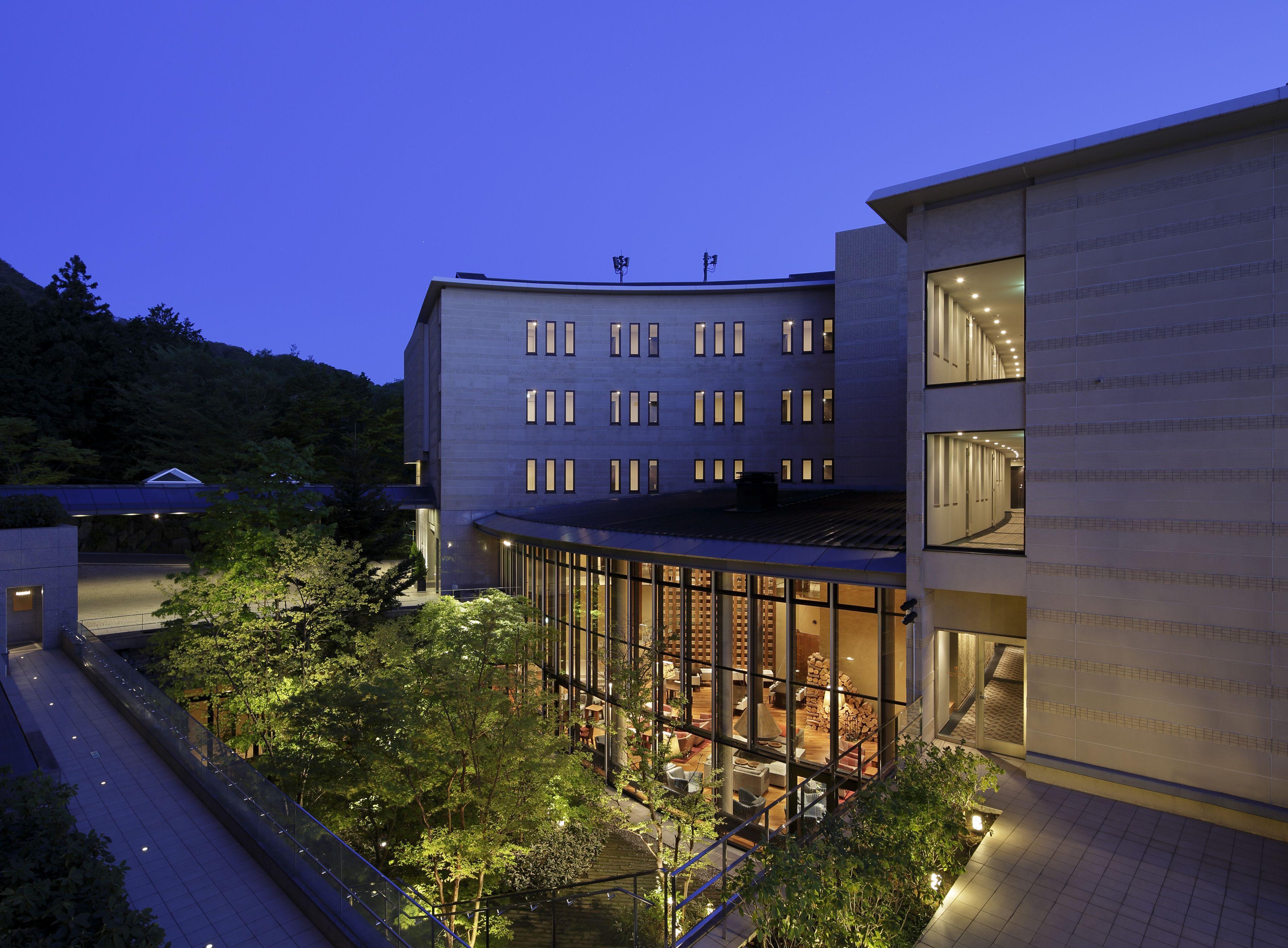
Nagoya City Centre divides cleanly into two distinct zones: the transit-heavy Nagoya Station district and the livelier Sakae entertainment corridor, each offering a different rhythm for guests seeking design-conscious stays. Hotels here position you within direct reach of the Shinkansen, the Meitetsu and Kintetsu lines, and the city's underground mall network - a structural advantage that few Japanese city centres match at this scale.
What It's Like Staying in Nagoya City Centre
Nagoya City Centre functions as a genuine transit and commercial hub, not just a tourist-facing district. The area around Nagoya Station handles around 1.3 million passengers daily, which means street-level energy is high during commute hours but settles significantly after 21:00. The underground arcade system connecting stations to shopping malls lets you navigate large parts of the centre without stepping outside - a practical advantage during winter or typhoon season.
Guests staying near Sakae, roughly 3 kilometres east of Nagoya Station, encounter a different pace: more dining options, nightlife clusters along Nishiki-dori, and closer proximity to Oasis 21. Both zones are well-covered by the Higashiyama and Meijo subway lines, making either base viable for city exploration.
Pros:
- Direct Shinkansen and airport express access from Nagoya Station cuts transit time dramatically
- The underground mall network (Esca, Meichika, Unimall) allows weather-proof movement across the centre
- Both the Station district and Sakae offer high concentrations of restaurants, convenience stores, and pharmacies within walking distance
Cons:
- The station area experiences heavy foot traffic and construction noise, especially on street-level approaches
- Hotel room sizes in this district skew smaller compared to suburban Nagoya options at similar price points
- Sakae nightlife noise can affect lighter sleepers in lower-floor rooms on weekends
Why Choose Exceptional Design Hotels in Nagoya City Centre
Design hotels in Nagoya City Centre distinguish themselves through architectural positioning and deliberate spatial choices - from panoramic high-floor layouts above Nagoya Station to warm-toned interiors that counterbalance the district's corporate density. Unlike standard business hotels that dominate this corridor, design-led properties invest in curated dining environments, considered lighting schemes, and room detailing that makes the stay itself part of the experience. Price premiums for this category run around 30% higher than standard business hotel rates in the same district, but the gap narrows considerably during midweek stays outside peak season.
Room sizes in city-centre design hotels typically range tighter than resort properties, but smart layout choices - built-in storage, multifunctional furniture, well-positioned desk areas - compensate meaningfully. Properties directly connected to Nagoya Station command a specific convenience premium that purely aesthetic Sakae-area hotels do not replicate.
Pros:
- High-floor rooms in station-adjacent towers deliver city panoramas unavailable in low-rise alternatives
- On-site curated dining options reduce the need to navigate the city after long travel days
- Design-led properties in this district typically feature stronger soundproofing than older business hotels nearby
Cons:
- Compact room footprints are standard - travellers carrying large luggage sets may find manoeuvrability limited
- Premium design properties near Nagoya Station have limited parking availability and fees are significant
- Sky-level restaurants and facilities often carry surcharges not included in base room rates
Practical Booking & Area Strategy
For stays focused on transit convenience, positioning within a 5-minute walk of JR Nagoya Station's Sakura-dori Exit puts you directly above the Shinkansen concourse and inside the underground mall network - eliminating dead time on arrival and departure days. For the Sakae district, properties near Nishiki-dori or within a short walk of Sakae Station Exit 12 give walkable access to Oasis 21, the Nagoya TV Tower, and the Higashiyama line east corridor. Nagoya Castle sits around 3 kilometres north of both zones and is best reached by the Meijo Line rather than on foot. Book at least 6 weeks ahead for travel during the cherry blossom window (late March to mid-April) and the Golden Week holiday block in early May, when city-centre design hotel inventory depletes fast. The Nagoya Grand Prix weekend in October also creates localised demand spikes worth anticipating.
Best Value Stays
These properties deliver strong design credentials and smart urban positioning at rates that sit below the premium tower tier - making them the practical anchor of any city-centre booking comparison.
-
1. Best Western Plus Nagoya Sakae
Show on map


 Check-infrom 15:00 until 23:59Check-outuntil 11:00
Just a few rooms left at the best rate!
fromJP¥ 11281
-
2. Hotel Jal City Nagoya Nishiki
Show on map


 Check-infrom 15:00 until 23:59Check-outuntil 11:00
Just a few rooms left at the best rate!
fromJP¥ 13982
Best Premium Stays
These properties operate at the upper tier of Nagoya City Centre's design hotel landscape - defined by architectural scale, multi-floor dining concepts, and direct infrastructure integration with Nagoya Station.
-
3. Meitetsu Grand Hotel
Show on map


 Check-infrom 14:00 until 23:59Check-outuntil 11:00
Hurry – almost gone at this price!
fromJP¥ 12711
-
4. Nagoya Marriott Associa Hotel
Show on map


 Check-infrom 15:00 until 23:59Check-outuntil 12:00
Rooms filling fast – secure the best rate!
fromJP¥ 26215
Smart Travel & Timing Advice for Nagoya City Centre
Nagoya's city-centre design hotels run at peak occupancy during three distinct windows: the cherry blossom period centred on late March, the Golden Week cluster in early May, and the Formula 1 Grand Prix weekend in October at Suzuka - close enough to fill Nagoya's central inventory. Midweek stays in June and September consistently offer the most competitive rates, often sitting around 25% below weekend and holiday pricing for the same properties. Summer humidity peaks in July and August, which pushes more travellers toward hotel pools and indoor facilities - an argument for choosing a property like the Marriott Associa with on-site recreational options during that window. For shorter stays of 2 nights, the Nagoya Station cluster is the logical base since it maximises time efficiency over neighbourhood immersion. Book premium tower rooms at least 8 weeks ahead for any Golden Week travel - high-floor city-view rooms at station-adjacent properties sell out faster than standard categories and rarely appear in last-minute inventory.