Central Tokyo is where the city's financial districts, cultural landmarks, and transit arteries converge - and the Mitsui Garden brand has planted itself across five of its most strategically distinct neighborhoods. From Ginza's Chuo-dori to Otemachi's business corridors, Roppongi's gallery streets, Ueno's park-side rail hub, and Toyosu's bayside development, each Mitsui Garden property gives you a different operational base in the same dense urban core. This guide breaks down what each location actually means for your daily movement, what the brand delivers consistently, and where the differences between properties matter most for your trip.
What It's Like Staying in Central Tokyo
Central Tokyo - spanning Ginza, Otemachi, Roppongi, Ueno, and the Toyosu waterfront - is one of the most walkable yet subway-dependent urban areas in Asia. Most major attractions sit within a 10-minute subway ride or a 15-minute walk from any of these neighborhoods, but the Tokyo Metro network is the real backbone: trains run every 3 to 5 minutes during peak hours and the system covers over 280 stations city-wide. Crowd patterns shift dramatically by district - Ginza peaks on weekend afternoons with luxury shoppers, while Otemachi empties noticeably on Saturdays, making it quieter for leisure travelers who prefer calm street-level movement.
Pros:
* Transit access is unmatched - Otemachi Station alone connects five Tokyo Metro lines, putting Shinjuku, Shibuya, and Asakusa each under 25 minutes away
* Walking between Ginza, Tsukiji, and Nihonbashi is genuinely feasible - key sights cluster tightly in this zone
* Hotels here put you within reach of both Tokyo Station bullet train access and Haneda Airport in under 40 minutes by rail
Cons:
* Room sizes at Central Tokyo hotels run compact - standard doubles often measure around 18-22 sqm, noticeably smaller than equivalent categories in outer districts
* Weekday morning rush on Marunouchi and Hibiya lines can make short subway hops feel slower than walking
* Restaurants near Otemachi and Ginza skew toward business expense-account pricing at lunch and dinner
Why Choose a Mitsui Garden Hotel in Central Tokyo
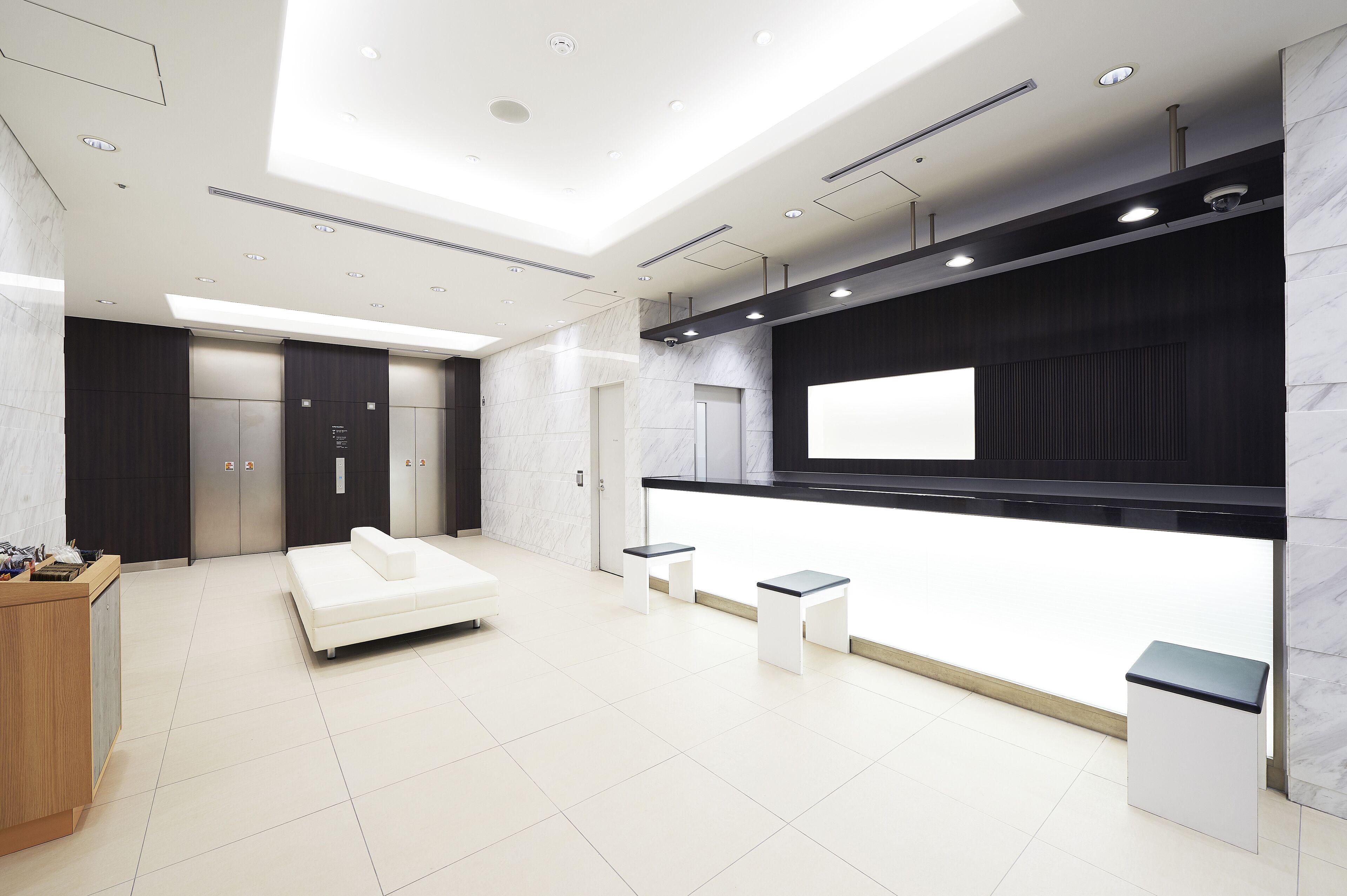
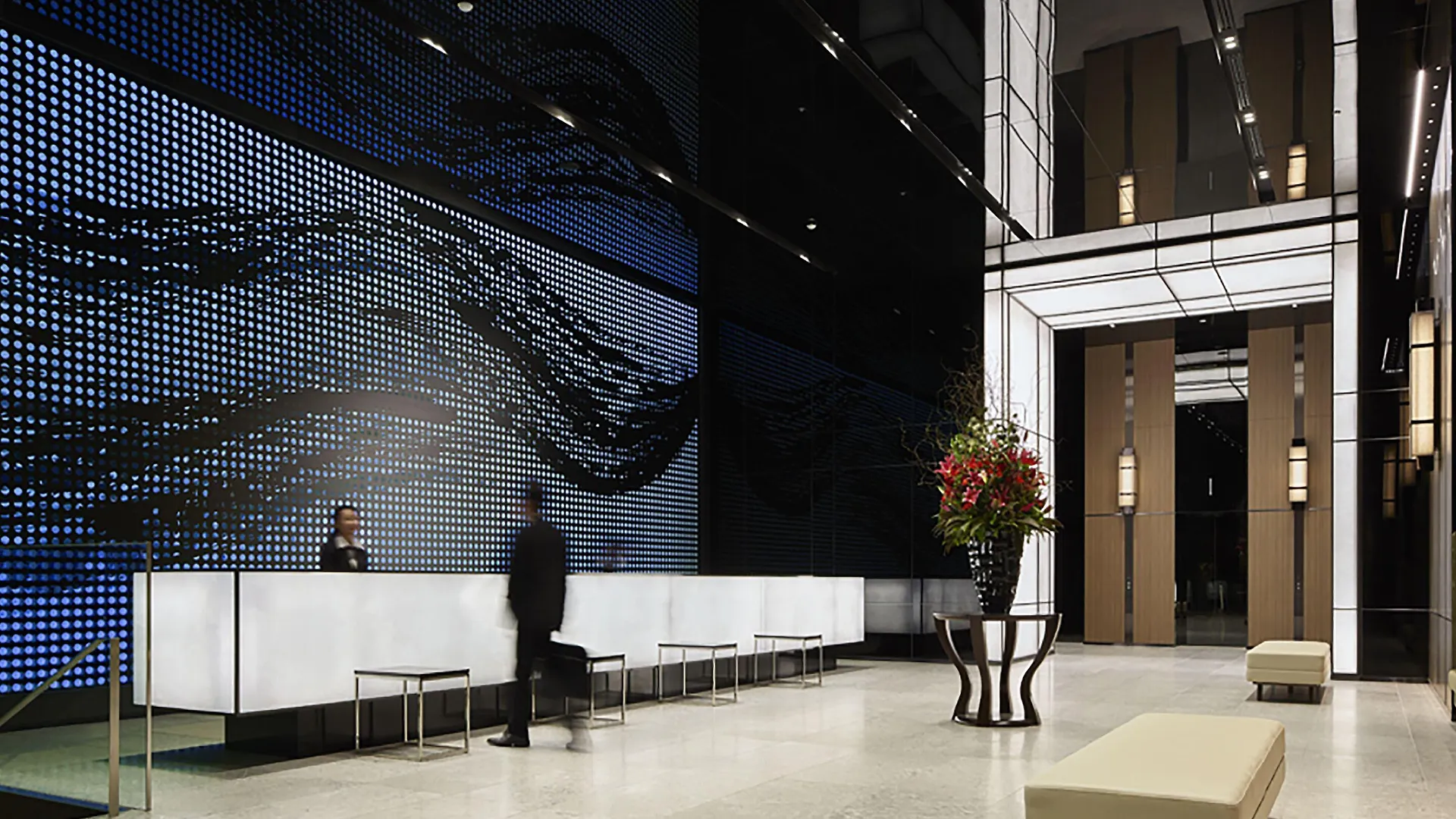
Mitsui Garden Hotels occupy a clearly defined space in the Tokyo market: mid-range star-rated properties with boutique-level design finishes, built primarily for travelers who want a clean, well-located base without the premium pricing of five-star city-center hotels. In Central Tokyo specifically, that positioning is valuable - rates typically run significantly below comparable luxury addresses in Ginza or Otemachi while maintaining private bathrooms with full bath and shower setups, daily housekeeping, and consistent free WiFi. The brand's Premier-tier properties (Roppongi and Toyosu) layer in fitness facilities, city-view rooms, and signature restaurants, while standard Mitsui Garden locations focus on efficient room design and subway proximity.
Pros:
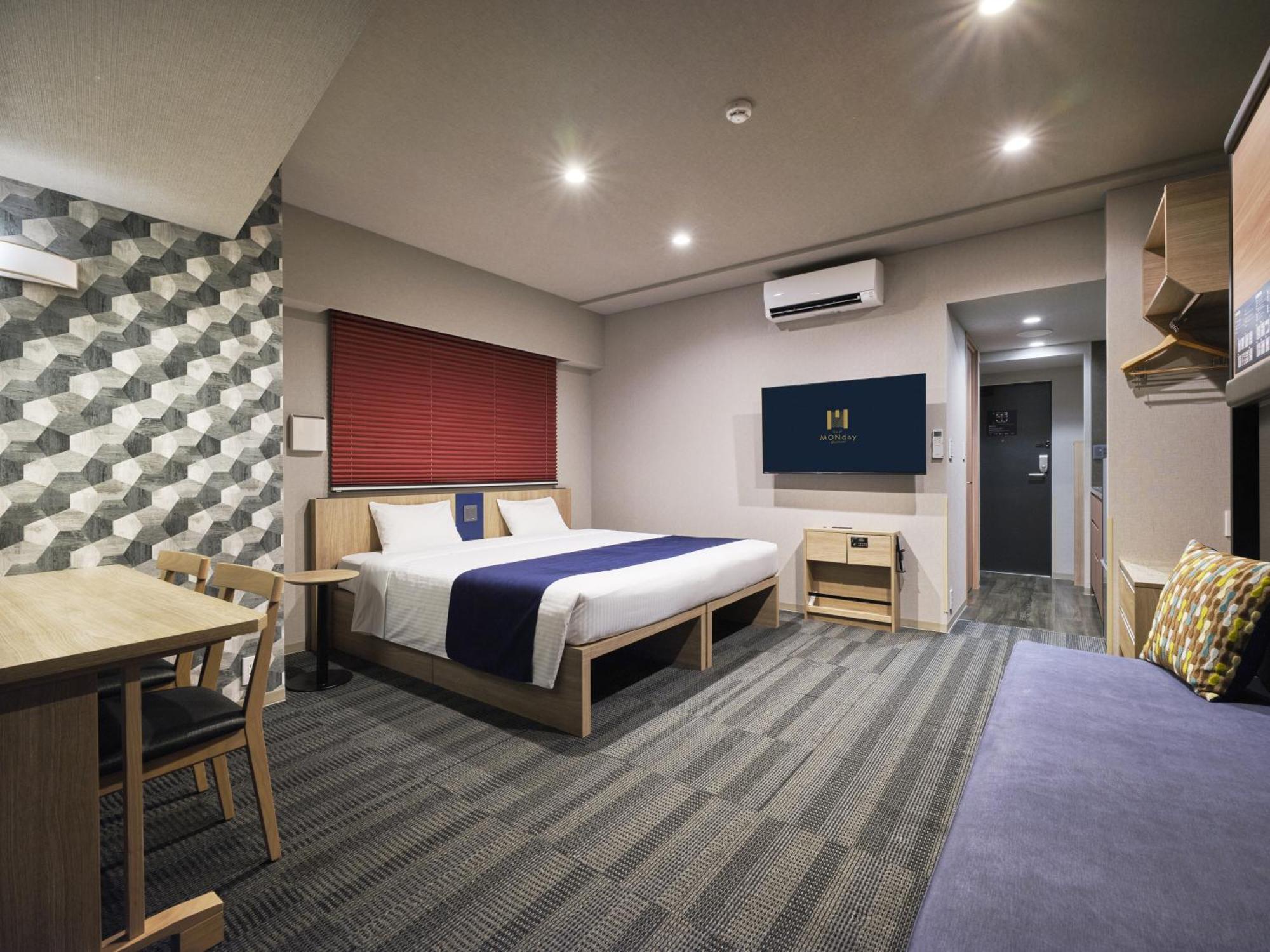
* Consistent baseline quality across all five Central Tokyo locations - private bathrooms with bidet, flat-screen TV, and electric kettle are standard across the range
* Premier-tier properties include fitness centers and full-bath rooms with city views, adding value at the same address
* The brand's breakfast buffets (Japanese and Western options) reduce the need to navigate dense business-district restaurant choices early in the morning
Cons:
* No spa or pool facilities at any of the five Central Tokyo properties - travelers prioritizing wellness amenities will need to look elsewhere
* Room categories like Moderate and Comfort at Otemachi and Ueno skew small even by Tokyo standards, limiting comfort for longer stays
* The brand lacks a concierge-level service tier - complex itinerary planning or dining reservations at Michelin-starred venues require self-management
Practical Booking & Area Strategy
Positioning within Central Tokyo changes your daily rhythm significantly. Ginza's Chuo-dori and Harumi-dori intersection places you within a 1-minute walk of Higashi Ginza Station (Hibiya and Asakusa lines) and 2 minutes from Ginza Station (Marunouchi, Ginza, Hibiya lines) - the densest subway convergence in the district. Otemachi's hotel sits meters from Otemachi Station, which connects five lines and makes it one of the most functionally central addresses in all of Tokyo for multi-directional daily movement. Roppongi sits on the Hibiya and Oedo lines, with Roppongi Hills and Mori Art Museum under a 10-minute walk; the neighborhood stays active well past midnight, which matters if you prefer a quieter street environment for sleeping. Ueno Station is a direct Narita Express stop, making it a logical choice for travelers arriving by airport rail and prioritizing easy check-in. Toyosu is the outlier - it's around a 15-minute subway ride from Ginza on the Yurikamome line, but its bayside position and THE PENTHOUSE rooftop restaurant justify the slight distance from the historical core. Book any Central Tokyo property at least 6 weeks ahead for cherry blossom season (late March to early April) and Golden Week (late April to early May), when hotel rates across the city spike and availability collapses fast.
Best Value Stays
These two properties deliver the strongest logistical positioning relative to their price point - one anchored to Central Tokyo's most connected transit node, the other providing direct Narita airport rail access and an Ueno Park-side base.
-
1. Millennium Mitsui Garden Hotel Tokyo - Ginza
Show on map


 Check-infrom 15:00 until 23:59Check-outuntil 12:00
Just a few rooms left at the best rate!
fromJP¥ 48275
-
2. Mitsui Garden Hotel Ueno
Show on map


 Check-infrom 15:00 until 23:59Check-outuntil 11:00
Just a few rooms left at the best rate!
fromJP¥ 18677
Best Premium Stays
These three properties sit at the higher end of the Mitsui Garden portfolio - two in the Premier tier and one in a prime business-district location - offering larger room footprints, stronger on-site amenities, and more distinctive positioning within Central Tokyo's most in-demand neighborhoods.
-
3. Mitsui Garden Hotel Otemachi - Tokyo
Show on map


 Check-infrom 15:00 until 23:59Check-outuntil 11:00
Hurry – almost gone at this price!
fromJP¥ 16936
-
4. Mitsui Garden Hotel Roppongi Tokyo Premier
Show on map


 Check-infrom 15:00 until 23:59Check-outuntil 12:00
Hurry – almost gone at this price!
fromJP¥ 16144
-
5. Mitsui Garden Hotel Toyosu Premier - Tokyo
Show on map


 Check-infrom 15:00 until 23:59Check-outuntil 11:00
Rooms filling fast – secure the best rate!
fromJP¥ 15986
Smart Travel & Timing Advice for Central Tokyo
Book at least 8 weeks in advance for any Central Tokyo stay during cherry blossom season (late March to early April) - this is when hotel rates in Ginza and Otemachi jump most sharply and mid-range properties like Mitsui Garden fill up fastest. Golden Week (late April to early May) triggers similar pricing spikes across all five locations. The quietest and most cost-effective windows are mid-January through late February and mid-June through mid-July - Japan's rainy season keeps visitor numbers lower but rarely disrupts sightseeing significantly. Autumn (mid-September through mid-November) offers the best combination of manageable crowds and pricing below cherry blossom peaks, with Tokyo's cooler temperatures making walking between Ginza, Nihonbashi, and Otemachi comfortable for full-day itineraries. A minimum of 3 nights is the practical threshold for a Central Tokyo base if you intend to cover Ginza, Tsukiji, Asakusa, Akihabara, Roppongi, and Ueno without feeling rushed - each district absorbs a half-day to full day. Last-minute bookings carry real risk year-round here: business hotel supply in Otemachi and Ginza fills midweek from domestic corporate travel, and weekend leisure demand compounds that pressure across all five districts.