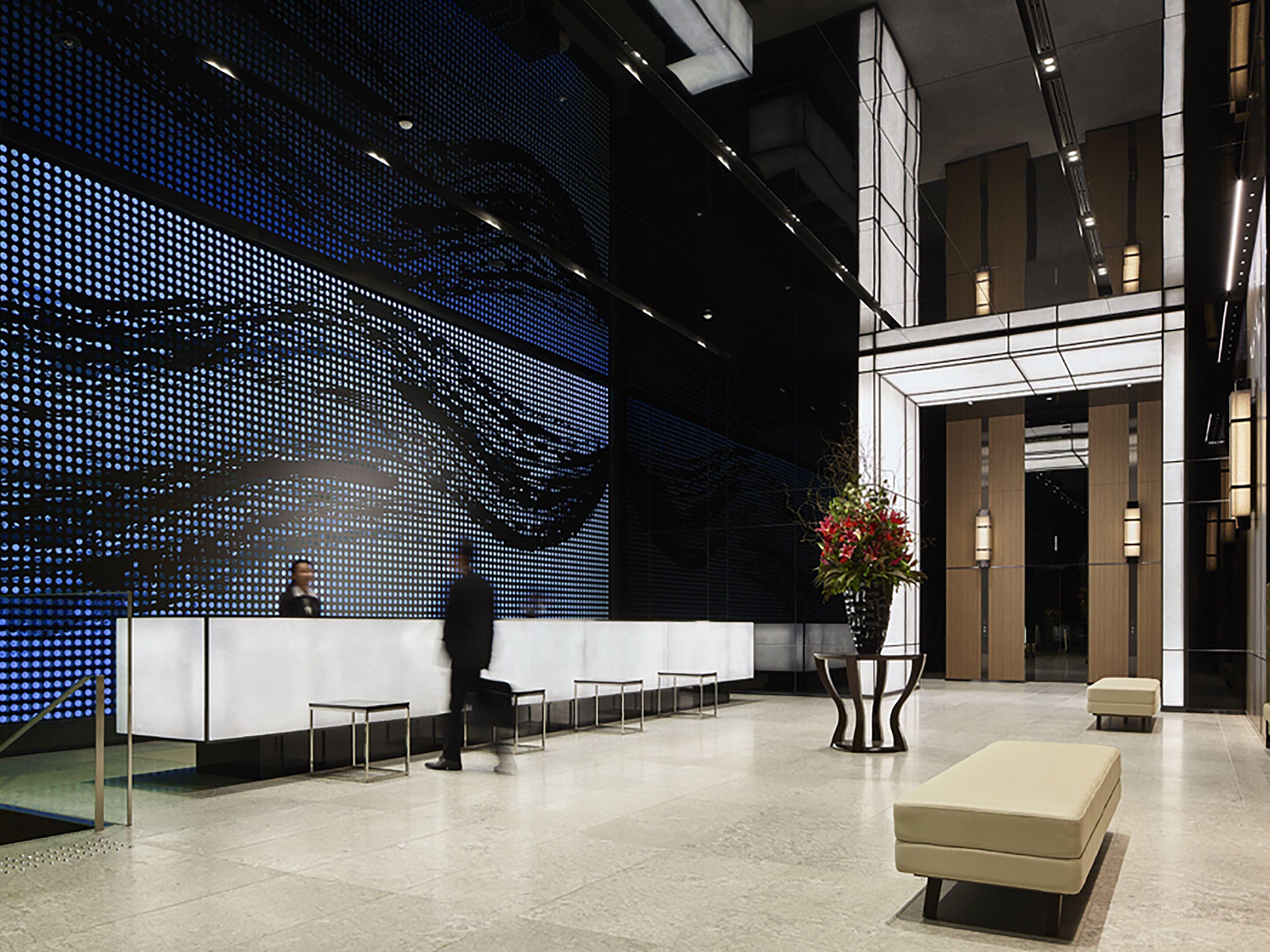
Central Tokyo covers a wide spread of business, culture, and transit corridors - from the financial density of Kanda-Otemachi to the art-and-nightlife pull of Roppongi and the upscale retail of Ginza. Sotetsu Fresa Inn operates four properties across these sub-districts, each within a short walk of a subway or JR station, making this brand one of the most geographically versatile mid-range options for anyone navigating Tokyo without wasting time in transit. This guide breaks down what to expect at each property, how the locations differ, and which one suits your actual travel pattern.
What It's Like Staying in Central Tokyo
Staying in Central Tokyo means you are within one or two subway stops of major business hubs, cultural sites, and transit interchanges - the rhythm here is fast, efficient, and built around commuter infrastructure. The Imperial Palace grounds anchor the geographic center, with districts like Ginza, Kanda, Roppongi, and Hamamatsucho radiating outward, each with a distinct street-level energy: Ginza is polished and walkable by day, Roppongi stays active after midnight, and Kanda-Otemachi runs on salaryman schedules. Pedestrian crowds thin out significantly on weekends in the business corridors, while tourist footfall near Tsukiji and Tokyo Tower remains high year-round.
Tokyo's subway network reaches nearly every corner of Central Tokyo, with most hotels in this zone sitting under 10 minutes on foot from a station - that proximity is the single biggest practical advantage of staying here over outer wards like Shinjuku or Shibuya.
Pros:
- * Direct subway access to Asakusa, Shinjuku, and Shibuya without transfers in most cases
- * Dense concentration of convenience stores, pharmacies, and restaurant options within each sub-district
- * Proximity to Tokyo Station and the Shinkansen network for day trips to Kyoto, Nikko, or Kamakura
Cons:
- * Business corridors like Kanda-Otemachi become eerily quiet after 8 PM on weekdays and almost deserted on Sundays
- * Hotel room sizes in Central Tokyo are generally smaller than equivalent prices in outer wards - space is a real trade-off
- * Areas near Roppongi attract significant late-night foot traffic and noise, which can affect sleep quality in lower floors
Why Choose a Sotetsu Fresa Inn in Central Tokyo
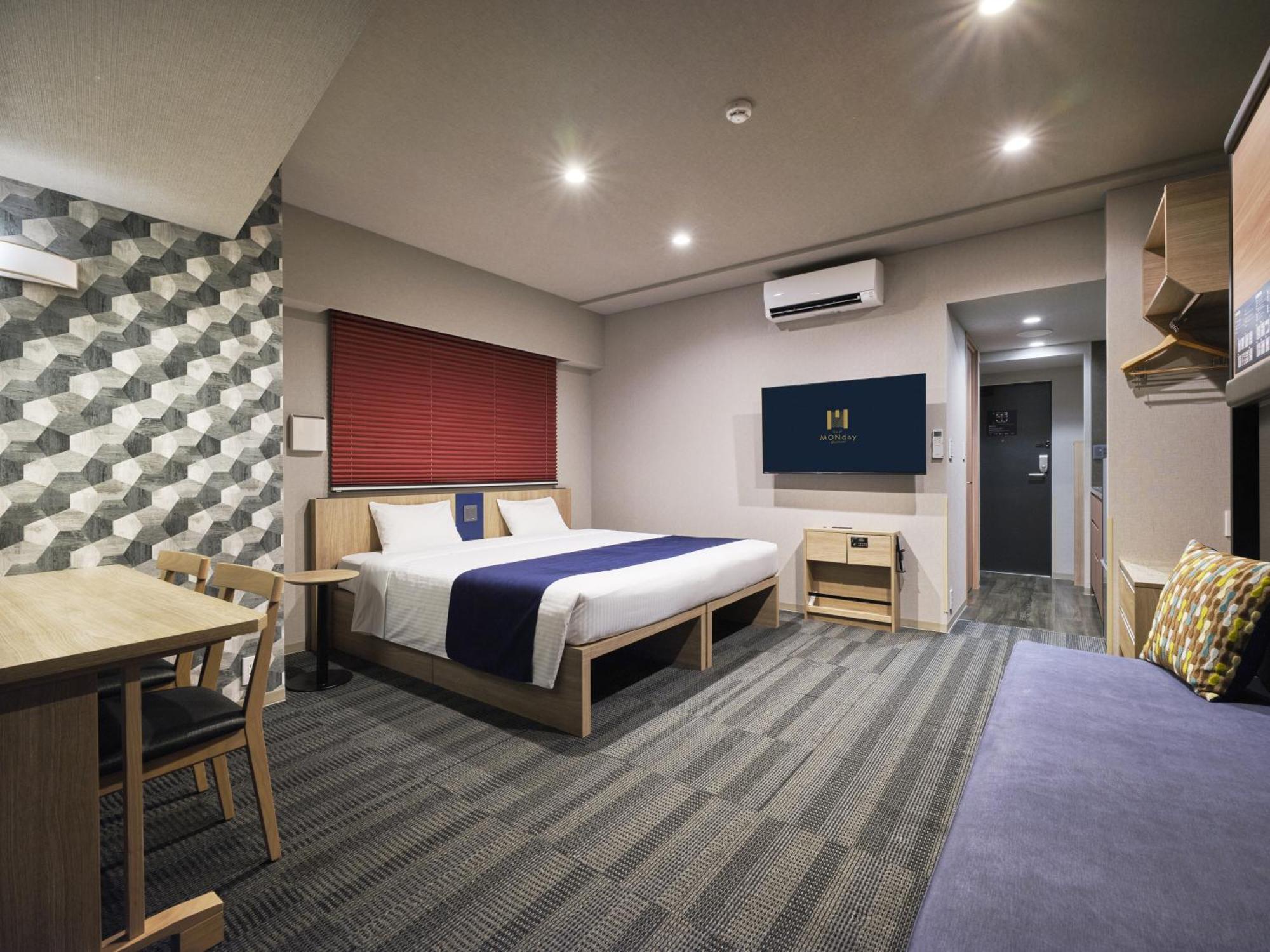
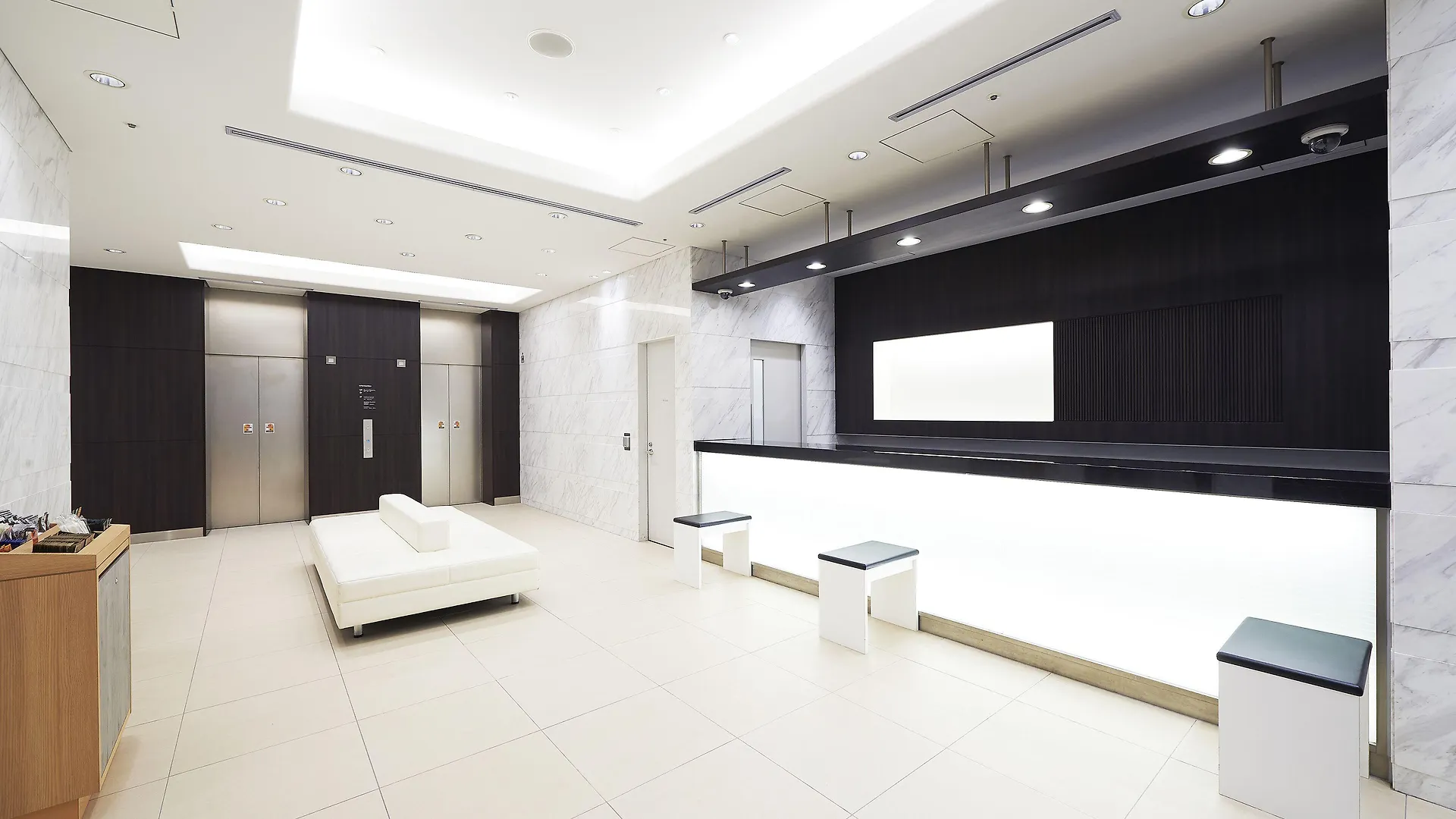
Sotetsu Fresa Inn is Japan's business hotel chain built on a straightforward principle: every property sits within a five-minute walk of a major station, rooms are compact but functionally complete, and the price point stays well below international chain rates for the same locations. In Central Tokyo specifically, that positioning matters - comparable rooms at international business chains in Ginza or Roppongi can run around 40% higher per night without offering meaningfully different room layouts or transit access. All four Fresa Inn properties in Central Tokyo include free Wi-Fi, daily housekeeping, 24-hour front desks, and in-room electric kettles - the standard toolkit for a lean, efficient stay.
The trade-off is floor space: Fresa Inn single and double rooms typically measure under 20 square meters, meaning they work well for solo travelers and couples but feel cramped for two adults with large luggage. Connecting room configurations are available at Ginza Sanchome and Roppongi, making those two properties the stronger options for small groups or families.
Pros:
- * Station-adjacent positioning across four distinct Central Tokyo sub-districts - Kanda, Hamamatsucho, Roppongi, and Ginza
- * Consistent standards across properties: free Wi-Fi, air conditioning, flat-screen TV, private bathroom with bath and shower in all room types
- * On-site restaurants at Roppongi (SUZU CAFE) and Ginza Sanchome (Yama Warau), and buffet breakfast at Kanda-Otemachi and Hamamatsucho-Daimon
Cons:
- * Room sizes are compact - standard singles and doubles are not suited for extended stays with full luggage
- * Parking is limited and not a reliable option in Central Tokyo's congested sub-districts
- * No spa, pool, or fitness facilities - amenities are strictly functional with no leisure infrastructure
Practical Booking & Area Strategy
Each Sotetsu Fresa Inn in Central Tokyo sits in a functionally different micro-location, and the right choice depends on your actual itinerary. Ginza Sanchome (100 metres from Asahi Inari Shrine, 15 km from Haneda Airport) is the most culturally dense pick - Tsukiji Outer Market, Kabuki-za Theatre, and Nihonbashi are all reachable on foot or within two subway stops. Kanda-Otemachi places you in Tokyo's financial core, with Otemachi Station connecting directly to Narita Airport via the Narita Express and providing fast access to Akihabara (one stop on the Yamanote line equivalent). Hamamatsucho-Daimon is the strongest airport-link option: Hamamatsucho Station offers direct monorail access to Haneda Airport in 18 minutes, and the Narita Airport limousine bus stops 300 metres from the property. Roppongi sits 750 metres from Roppongi Hills and 8 minutes on foot from the Mori Art Museum - a sub-district that rewards evening walkers but requires a subway ride to reach most daytime sightseeing outside the immediate area.
Cherry blossom season (late March to early April) and Golden Week (late April to early May) are the two hardest booking windows in all of Central Tokyo - rates spike and availability at well-located properties closes out weeks in advance. Book at least 6 weeks ahead for those windows. Autumn (October-November) offers cooler temperatures and fewer crowds than spring, making it the most practical season for first-time visitors who want balanced conditions without peak-season pricing pressure.
Things to do near these four properties include: walking Ginza's Chuo-dori on Sundays when the street closes to traffic, visiting the Imperial Palace East Gardens from Otemachi, exploring Hamarikyu Garden from Hamamatsucho (10 minutes on foot), and accessing the Mori Art Museum and Tokyo Tower from Roppongi. All four locations are connected to the broader Tokyo subway grid, so day trips to Asakusa, Shibuya, or Ueno add no more than 20 minutes of transit time from any of the four properties.
Best Value Stays
These two properties offer strong transit access and functional amenities at the most accessible price points within the Sotetsu Fresa Inn Central Tokyo portfolio - suited to travelers prioritizing location efficiency over neighborhood atmosphere.
-
1. Sotetsu Fresa Inn Kanda-Otemachi
Show on map


 Check-infrom 15:00 until 23:59Check-outuntil 11:00
Just a few rooms left at the best rate!
fromJP¥ 6489
-
2. Sotetsu Fresa Inn Hamamatsucho-Daimon
Show on map


 Check-infrom 15:00 until 23:59Check-outuntil 11:00
Just a few rooms left at the best rate!
fromJP¥ 14720
Best Premium Stays
These two properties sit in Central Tokyo's most internationally recognized sub-districts - Roppongi and Ginza - and come with on-site dining, stronger room specs, and neighborhood positioning suited to travelers who want the city's cultural and commercial core directly outside the door.
-
3. Sotetsu Fresa Inn Tokyo Roppongi
Show on map


 Check-infrom 15:00 until 23:59Check-outuntil 11:00
Hurry – almost gone at this price!
fromJP¥ 6489
-
4. Sotetsu Fresa Inn Ginza Sanchome
Show on map


 Check-infrom 15:00 until 23:59Check-outuntil 11:00
Rooms filling fast – secure the best rate!
fromJP¥ 19310
Smart Timing & Booking Strategy for Central Tokyo
Central Tokyo hotels operate at near-full capacity during two hard peaks: cherry blossom season (late March to early April, with peak bloom typically around March 25-April 5) and Golden Week (late April to early May), when domestic travel volume surges across Japan. During these windows, even business-oriented properties like Sotetsu Fresa Inn see rates climb and availability disappear - book at least 6 weeks in advance if your dates overlap with either period. Autumn (October-November) consistently delivers the most favorable balance of conditions: temperatures drop to a comfortable 15-22°C, rainfall is minimal, and hotel rates soften compared to spring peaks.
Summer (June-August) is the least recommended window for Central Tokyo - humidity is high, crowds are dense near tourist sites, and the business corridor heat makes street-level movement uncomfortable in the middle of the day. January and February are the quietest months, with the lowest rates of the year and almost no domestic leisure travel competing for rooms. A 3-night minimum makes the most logistical sense in Central Tokyo - enough time to cover Ginza, Roppongi, and Asakusa across separate days without rushing. Last-minute bookings can yield savings outside peak periods, but in Central Tokyo's most in-demand sub-districts (Ginza, Roppongi), supply tightens faster than in outer wards, so this strategy carries more risk than in areas like Ueno or Akihabara.